top of page

Religion

Updated: Sep 23

Religion: A Complex Subject


I hope, by reading this blog, I can help you understand my perspective on religion, a subject that often feels daunting and complex to discuss, particularly in today's diverse and multifaceted world. Religion is indeed a multifaceted topic that touches on deeply held beliefs, cultural backgrounds, and personal experiences, making it a rich area for exploration and understanding. It encompasses a wide array of practices, ideologies, and traditions that vary significantly across different societies and historical contexts. The exploration of religion is not merely an academic exercise; it is an invitation to delve into the very essence of what it means to be human and how we relate to one another and the universe around us.


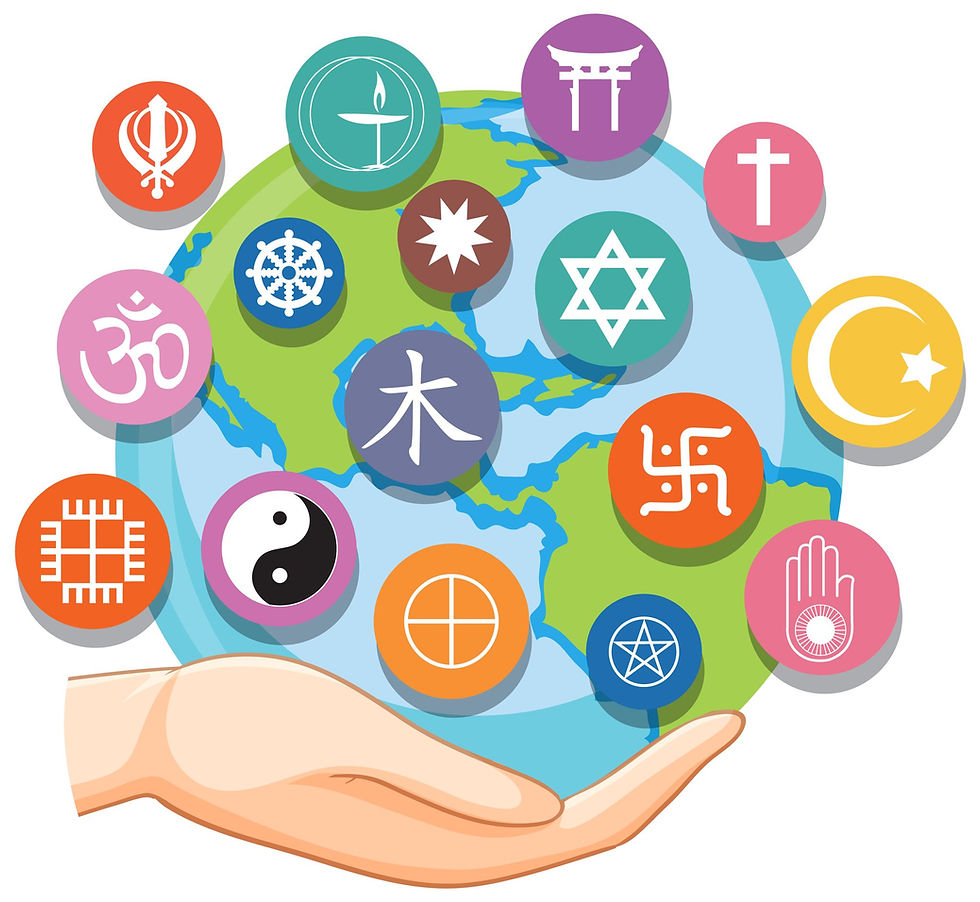
From the ancient rituals of indigenous peoples, which often involve deep connections to nature and ancestral heritage, to the structured doctrines of major world religions like Christianity, Islam, Hinduism, and Buddhism, the spectrum of belief systems is vast and intricate. Each of these belief systems carries its own unique narratives, symbols, and practices that reflect the values and histories of the cultures from which they originate. For instance, indigenous religions frequently emphasize a profound respect for the Earth and its ecosystems, viewing humanity as an integral part of a larger web of life. This perspective fosters a sense of stewardship and responsibility towards nature, contrasting with more anthropocentric views found in some organized religions.


In contrast, the structured doctrines of major world religions often provide comprehensive frameworks for understanding existence, morality, and the afterlife. Christianity, with its teachings on love, redemption, and salvation, offers followers a path to spiritual fulfillment through faith in Jesus Christ. Similarly, Islam emphasizes submission to the will of Allah and the importance of community and charity, guiding adherents through the Five Pillars of Islam. Hinduism presents a rich tapestry of beliefs, including concepts of karma, dharma, and moksha, while Buddhism encourages a path of mindfulness and compassion, focusing on the alleviation of suffering through the Four Noble Truths and the Eightfold Path.


Furthermore, the interplay between religion and culture cannot be overstated. Religion often shapes cultural practices, festivals, and social norms, creating a unique identity for communities. Consider the vibrant celebrations of Diwali in Hindu culture, which symbolize the victory of light over darkness, or the profound communal aspects of Ramadan in the Islamic tradition, where fasting and prayer foster a sense of unity and reflection among Muslims worldwide. These cultural expressions of faith not only reinforce individual beliefs but also serve to strengthen communal bonds, creating a shared sense of purpose and belonging.


As we navigate this complex landscape, it is essential to approach discussions about religion with an open mind and a willingness to listen. Understanding the nuances and intricacies of various belief systems can foster greater empathy and respect among individuals from different backgrounds. In a world that is increasingly interconnected, recognizing and appreciating the diversity of religious thought is crucial for promoting harmony and coexistence. By engaging with this topic thoughtfully, I hope to contribute to a more profound dialogue about the role of religion in our lives and its impact on society as a whole.


************************

ree


## The Assumptions and Expectations Surrounding Beliefs


Many of the people I encounter in my daily life automatically assume that I adhere to traditional beliefs in God, the Bible, Jesus, and all the associated doctrines that come with them. This assumption often stems from societal norms and the prevalent religious narratives that dominate our cultural landscape, leading to a sort of default expectation that everyone shares these views. The influence of these norms can be profound, as they are deeply ingrained in various aspects of our society, including education, media, and community interactions. As a result, individuals may feel a certain level of comfort in assuming that those around them subscribe to the same religious ideologies, which can inadvertently create a barrier to understanding and appreciating diverse perspectives on faith. It is not uncommon for individuals to project their own beliefs onto others, creating an environment where alternative perspectives may feel marginalized or overlooked. This projection often occurs without malice; rather, it reflects a human tendency to seek affirmation of one's own beliefs through the validation of others. When people encounter someone who does not share their views, it can lead to discomfort or confusion, prompting them to reinforce their own beliefs rather than engage in open dialogue. This phenomenon can lead to misunderstandings and, at times, a lack of meaningful dialogue about faith and spirituality, as individuals may feel pressured to conform to the dominant narrative rather than express their true beliefs. Moreover, this dynamic can stifle curiosity and inhibit the exploration of varied spiritual paths. Those who hold unconventional or non-traditional beliefs may find themselves hesitant to share their thoughts for fear of judgment or rejection. In many social situations, discussions about faith can quickly become polarized, with individuals retreating to their respective camps rather than finding common ground. Such interactions can foster an atmosphere of intolerance, where the richness of diverse spiritual experiences is overshadowed by a singular narrative that does not account for the complexities of individual belief systems. Ultimately, the prevailing assumptions about faith can inhibit authentic connections between individuals. When people feel compelled to mask their true beliefs or conform to societal expectations, it not only diminishes the authenticity of their interactions but also deprives society of the opportunity to engage in meaningful conversations that could promote understanding and empathy. Encouraging an environment where all beliefs are welcomed and respected can pave the way for deeper discussions about spirituality, allowing for a more inclusive exploration of what faith means to different individuals. By fostering such an environment, we can break down the barriers created by assumptions and embrace the diversity of thought that enriches our collective human experience.


## Respecting Diverse Beliefs


However, it's important for me to clarify that I do not criticize those who do hold these beliefs; I respect their right to their faith and the comfort it may bring them. I understand that for many, religion provides a comprehensive framework for understanding the complexities of the world around us, offering not only explanations for the mysteries of existence but also a sense of order in what can often feel like a chaotic universe. This framework is crucial for many individuals as it shapes their worldview, influences their decisions, and helps them navigate life's challenges. Moreover, religion often serves as a vital source of community and belonging, creating bonds among individuals who share similar beliefs and values. These communities can be incredibly supportive, providing not only emotional and spiritual sustenance but also practical assistance in times of need. For many, the church, temple, mosque, or other places of worship become a second home, where friendships are formed, and support networks are established. The social interactions that occur within these communities can lead to lifelong relationships that enrich the lives of their members. Additionally, religion frequently acts as a guide for moral conduct, offering a set of ethical principles that can help individuals discern right from wrong. These teachings, often passed down through generations, provide a moral compass that can be particularly beneficial in times of uncertainty or moral dilemmas. Many adherents find that these guidelines help them lead lives that are not only fulfilling on a personal level but also contribute positively to society as a whole. Furthermore, the rituals, traditions, and teachings that come with these belief systems often serve to strengthen social bonds and promote a sense of identity among adherents. Celebrations, rites of passage, and communal gatherings foster a shared sense of purpose and connection, reinforcing the values and beliefs that underpin the faith. These practices not only enhance individual spirituality but also cultivate a collective identity that can be a source of pride and unity within the community. In conclusion, while I may not share the same beliefs, I genuinely appreciate the role that religion plays in the lives of many individuals. It can be a powerful force for good, fostering a sense of belonging, purpose, and moral clarity. The comfort that faith provides, especially during challenging times, is invaluable, and I recognize the importance of respecting the diverse beliefs that shape our world.


## The Spectrum of Belief Systems


Nevertheless, just because a significant number of people subscribe to certain beliefs does not mean that everyone shares them, and that includes me. It’s crucial to acknowledge the diversity of thought and the spectrum of belief systems that exist in our world, which range from atheism and agnosticism to various spiritual practices that do not conform to traditional religious structures. This diversity is not merely a backdrop; it is a vibrant tapestry that enriches our collective human experience. Each viewpoint offers unique insights into existence, morality, and the human condition, contributing to a broader understanding of life itself. Exploring these varied belief systems reveals the complexities of human thought and the myriad ways individuals seek meaning and purpose. For instance, atheism, which is the absence of belief in deities, encourages a reliance on empirical evidence and rational thought, fostering a worldview grounded in science and observation. On the other hand, agnosticism presents a more nuanced stance, where individuals maintain that the existence of a higher power is unknown or unknowable, often leading to a philosophical exploration of uncertainty and the limits of human understanding. In addition to these perspectives, one can find a rich array of spiritual practices that draw from ancient traditions and modern interpretations alike. From Eastern philosophies such as Buddhism and Taoism, which emphasize mindfulness and harmony with the universe, to indigenous belief systems that honor the interconnectedness of all living things, these practices offer profound insights into the nature of existence and the ethical frameworks that guide human behavior. Moreover, the rise of secular humanism reflects a growing trend where individuals find ethical guidance and meaning through human-centered values rather than religious doctrine. This movement advocates for reason, compassion, and a commitment to social justice, demonstrating that a moral compass does not necessarily require a religious foundation. The interplay of these diverse beliefs fosters dialogue and encourages critical thinking, challenging individuals to examine their own convictions and consider alternative viewpoints. This engagement not only broadens our horizons but also cultivates empathy and understanding among people from different backgrounds. In essence, the multitude of belief systems presents an opportunity for learning and growth, as each perspective contributes to a more comprehensive narrative about what it means to be human. Ultimately, embracing this diversity enriches our collective experience, allowing us to navigate the complexities of life with a more informed and compassionate approach. It is through this lens of inclusivity that we can appreciate the vast landscape of human thought and the shared quest for understanding that transcends individual beliefs.


## Opening the Door to Dialogue


In recognizing this diversity, we open the door to deeper conversations about what it means to believe, to seek meaning, and to navigate the complexities of existence. This acknowledgment serves as a catalyst for introspection and dialogue, prompting us to consider not only our own beliefs and values but also the rich tapestry of beliefs held by others. Such an inquiry invites us to examine the fundamental questions of life, such as our purpose, our moral compass, and the sources from which we derive our understanding of the world. It encourages us to explore not only our own beliefs but also the beliefs of others with curiosity and respect. This exploration can take many forms, from engaging in thoughtful discussions with friends and family to participating in interfaith dialogues or community forums. Each interaction provides an opportunity to learn from different perspectives, fostering an environment where diverse viewpoints are not only tolerated but celebrated. As we delve into the beliefs that shape our identities, we may find common ground with those who seem different from us, discovering shared values that transcend cultural and ideological divides. This journey of exploration can lead to greater empathy and understanding, allowing us to appreciate the myriad ways in which people make sense of their lives and the world around them. By actively listening to the stories and experiences of others, we can develop a deeper appreciation for their struggles, triumphs, and the unique contexts that inform their beliefs. This process of understanding is not merely an academic exercise; it is a profound human experience that enriches our lives and broadens our horizons. Ultimately, embracing this diversity can foster a more inclusive society where dialogue and mutual respect prevail. In such a society, individuals are encouraged to express their beliefs freely and to engage in meaningful conversations that challenge preconceived notions and stereotypes. This openness can pave the way for a richer, more nuanced understanding of the human experience, one that acknowledges the complexity of our existence and the various paths people take in their quest for meaning. As we cultivate an environment of inclusivity, we not only enhance our own lives but also contribute to the creation of a more harmonious world where differences are seen as strengths rather than barriers.


## The Personal Journey of Faith


As we delve deeper into the intricacies of faith and spirituality, it becomes evident that the conversation surrounding religion is not only about the beliefs themselves but also about the rich tapestry of the human experience that shapes these beliefs. Each person's spiritual journey is imbued with unique personal stories that reflect their struggles, doubts, and triumphs. These narratives are not mere anecdotes; they are profound reflections of how individuals navigate their paths through life, often influenced by a multitude of factors including their upbringing, cultural context, societal expectations, and personal revelations that spark moments of clarity or transformation.


For many, the foundation of their faith is laid during childhood, often instilled through family traditions and community practices. These early experiences can create a lasting imprint, guiding individuals in their quest for meaning and belonging. However, as they grow and encounter the complexities of the world, their beliefs may be challenged, leading to a critical re-evaluation of their faith. This process can be tumultuous, filled with moments of doubt and questioning, yet it is also a vital aspect of spiritual growth. The evolution of one’s beliefs often reflects broader themes of resilience and adaptability, showcasing how individuals can redefine their understanding of spirituality in response to life’s challenges and revelations.


Moreover, the impact of religion on culture, politics, and interpersonal relationships cannot be understated. Religious beliefs have historically played a crucial role in shaping societal norms and values, influencing everything from art and literature to laws and governance. They can inspire movements for social justice, galvanizing communities to advocate for change and equality, as seen in various historical contexts where faith has been a catalyst for reform. Charitable efforts often emerge from religious motivations, driving individuals and groups to engage in acts of kindness and service, fostering a sense of community and shared responsibility.


On the other hand, the potential for conflict arising from differing religious beliefs is a stark reality that must be acknowledged. Throughout history, clashes between various faiths have led to misunderstandings, divisions, and even violence. The complexities of religious identity can sometimes create barriers between individuals and communities, fueling intolerance and prejudice. It is essential to recognize that while faith can unite, it can also divide, highlighting the dual-edged nature of religious belief in human society.


In conclusion, the exploration of faith and spirituality transcends mere dogma; it is a profound inquiry into the human condition itself. Understanding the interplay between personal experiences and broader societal influences allows for a richer appreciation of how spirituality shapes lives and communities. As we engage in this dialogue, we are reminded of the importance of empathy and open-mindedness in navigating the diverse landscape of beliefs that coexist in our world.


## The Importance of Open Dialogue


This duality underscores the critical importance of fostering environments that prioritize open and respectful discussions, where individuals feel empowered to express their thoughts and ideas freely. Such environments are essential for the sharing of diverse perspectives, as they allow people to communicate without the looming fear of judgment or backlash. When individuals engage in conversations that embrace a variety of viewpoints, they not only enhance their understanding of others but also have the opportunity to reflect on and enrich their own beliefs and experiences. This reciprocal exchange of ideas can lead to a deeper appreciation of the complexities of human thought and experience, ultimately broadening our horizons.


Moreover, by cultivating spaces that value dialogue, we encourage individuals to share their unique stories and perspectives, which can often illuminate issues that may not be immediately apparent. This sharing process creates a tapestry of narratives, each contributing to a more comprehensive understanding of societal dynamics. It is through these interactions that we can challenge preconceived notions and stereotypes, fostering a sense of empathy and connection among participants. As we listen to and learn from one another, we build bridges across divides, promoting a culture that not only tolerates but celebrates diversity in thought and experience.


In practical terms, creating such environments requires intentionality and commitment from all members of a community. It involves establishing guidelines that prioritize respect and active listening, ensuring that every voice is heard and valued. Additionally, it may be beneficial to incorporate structured formats for discussions, such as facilitated dialogues or workshops, which can help guide conversations in a productive direction. By doing so, we can minimize misunderstandings and promote a more constructive exchange of ideas.


Ultimately, the goal is to foster a culture where dialogue is not just encouraged but is seen as a vital component of personal and collective growth. When individuals feel safe to express their thoughts and experiences, they contribute to a richer, more nuanced understanding of the world around them. In this way, we can collectively work towards a more inclusive society, one that recognizes and appreciates the myriad of voices that contribute to our shared human experience.


## Conclusion: A Journey of Reflection and Understanding


In conclusion, the exploration of religion and spirituality represents a profound and multifaceted journey that invites us to engage in deep reflection on our own beliefs while simultaneously engaging with the diverse beliefs held by others. This exploration is not merely an academic exercise; it is a deeply personal endeavor that encourages us to embrace the complexity of human experiences. By recognizing the myriad ways in which faith influences our lives and shapes the societies we inhabit, we can cultivate a more compassionate world. In such a world, differences are not merely tolerated but celebrated, and every individual’s quest for meaning is honored and respected, regardless of the paths they choose to follow. This journey is transformative, as it reshapes our interactions with one another and the broader world, fostering a sense of interconnectedness that transcends cultural and ideological boundaries.


Each conversation we engage in, every shared experience we partake in, and each moment of introspective reflection contributes to a broader narrative that seeks to define what it means to be human in an increasingly interconnected world filled with diverse perspectives. This narrative is enriched by the stories and traditions of countless cultures, each offering unique insights into the human condition. It is through this lens of empathy and open-mindedness that we can truly appreciate the depth of human experience and the myriad ways in which people seek to understand their place in the universe. By opening ourselves to the wisdom of various spiritual traditions and religious practices, we not only broaden our own perspectives but also deepen our understanding of the common threads that unite us all.


As we navigate this complex landscape of beliefs, practices, and philosophies, let us remain steadfastly committed to fostering a culture that values dialogue, respect, and curiosity. Such a culture allows the beauty of our differences to shine, illuminating the path toward a more harmonious existence. In doing so, we create spaces where individuals feel safe to express their beliefs and share their experiences, thus enriching our collective understanding. The richness of this exploration lies in the shared humanity that transcends individual beliefs, weaving a tapestry of understanding that connects us all in our quest for truth, meaning, and connection. By engaging with one another in this spirit of openness, we can build bridges of understanding that not only enhance our personal growth but also contribute to the greater good of society as a whole.


************************

We Each Have Our Own Perspective


ree


I don't share those beliefs, and that's simply my perspective. It's essential to recognize that my views are shaped by my experiences and reflections, which have led me to a different understanding of existence and the universe. My journey has been one of inquiry, a deeply personal and often challenging exploration of the fundamental questions that have perplexed humanity for centuries. In this quest for understanding, I have sought to comprehend not only the tenets of various religions but also the philosophical arguments that challenge and question the existence of a deity or the afterlife as traditionally conceived. Through this process, I have engaged with a myriad of perspectives, delving into texts and teachings from diverse cultures, each offering unique insights into the nature of reality, morality, and the human condition.


As I navigated through the complex landscape of beliefs, I encountered a rich tapestry woven from the threads of spirituality, science, and philosophy. Each thread presented its own narrative, often conflicting with others, yet collectively contributing to a broader understanding of what it means to be human. I found myself drawn to the existential questions that arise when contemplating our place in the cosmos: Why are we here? What is the purpose of life? Is there a higher power guiding our destinies, or are we merely products of chance and circumstance? These questions have fueled my intellectual curiosity and have driven me to seek answers that resonate with my own sense of truth.


In my exploration, I have also come across various philosophical movements, such as existentialism, which emphasizes individual existence, freedom, and choice. The writings of thinkers like Sartre and Camus have profoundly influenced my understanding, prompting me to consider the implications of a universe devoid of inherent meaning. This perspective has led me to appreciate the beauty of creating one's own purpose, rather than adhering to prescribed beliefs that may not align with my personal experiences or understanding.


Furthermore, I have engaged in dialogues with individuals from different backgrounds, each bringing their own beliefs and experiences to the table. These conversations have illuminated the diverse ways in which people find meaning and navigate their lives, reinforcing the idea that belief is often deeply personal and influenced by a myriad of factors, including culture, upbringing, and personal experiences. It has become clear to me that while I may not share certain beliefs, I can still respect and learn from the journeys of others, recognizing that each path is valid in its own right.


Ultimately, my journey has been one of continuous learning and growth, characterized by an openness to new ideas and a willingness to question my own assumptions. I have come to understand that the search for meaning is not a destination but an ongoing process, one that invites us to remain curious and engaged with the world around us. As I continue to explore these profound questions, I remain committed to a path of inquiry that honors both my individuality and the rich diversity of human thought.


## The Nature of My Exploration


This exploration has involved delving into the rich and varied works of philosophers, theologians, and scientists who have offered a multitude of diverse perspectives on existence, morality, and the intricate nature of reality itself. The thinkers I have engaged with span a broad spectrum of time and thought, ranging from ancient philosophers whose foundational ideas have shaped Western thought to contemporary scholars who challenge and expand upon those very foundations. Each of these intellectual giants contributes a unique voice to the ongoing dialogue about life's most profound questions, enriching our understanding of the human condition.


I have immersed myself deeply in the writings of luminaries such as Socrates and Plato, whose dialogues not only encourage critical thinking but also promote a rigorous process of self-examination. Socrates, with his method of questioning, invites us to scrutinize our beliefs and assumptions, fostering a culture of inquiry that remains relevant today. Plato, through his allegories and philosophical treatises, presents complex ideas about the nature of reality, the ideal forms, and the quest for truth, urging us to look beyond the shadows of our perceptions toward a more profound understanding of existence.

In contrast, I have also engaged with the existential musings of Friedrich Nietzsche and Albert Camus, two thinkers who grapple with the absurdity of life and the search for meaning in a seemingly indifferent universe. Nietzsche's proclamation of the "death of God" challenges traditional moral frameworks and compels us to create our own values in a world devoid of inherent meaning. His concept of the Übermensch encourages individuals to transcend societal norms and embrace their own potential. Meanwhile, Camus, through his exploration of the absurd, emphasizes the importance of embracing life’s inherent contradictions and finding personal significance in our experiences, despite the ultimate futility of existence.


Furthermore, this intellectual journey has also led me to consider the contributions of theologians who provide a different lens through which to view these existential questions. Thinkers such as St. Augustine and Thomas Aquinas offer insights into the relationship between faith and reason, exploring how divine existence and moral truths intersect with human understanding. Their works prompt a reflection on the spiritual dimensions of existence and the ethical implications of our choices.


In addition to these philosophical and theological perspectives, I have also turned to the insights of modern scientists who examine the nature of reality through empirical evidence and inquiry. The works of physicists and cosmologists, such as Albert Einstein and Stephen Hawking, challenge our perceptions of time, space, and the universe itself, revealing a reality that is far more complex and interconnected than we might have previously imagined. Their findings compel us to reconsider our place in the cosmos and the implications of scientific discoveries on our understanding of existence.


Overall, this multifaceted exploration has not only broadened my intellectual horizons but has also deepened my appreciation for the complexity of the questions surrounding existence, morality, and reality. By engaging with such a diverse array of thinkers, I have come to recognize the richness of the dialogue that spans centuries and disciplines, each voice adding layers of meaning to our collective quest for understanding.


## A Diverse Array of Texts


In my quest for understanding, I have engaged with a plethora of texts that span across different cultures and epochs, examining the foundational beliefs that underpin various faiths. This extensive exploration has led me to immerse myself in the sacred texts of major religions, including the Bible, the Quran, the Bhagavad Gita, and the Dhammapada, each of which offers profound insights into the human condition and the divine. Additionally, I have delved into philosophical treatises from thinkers such as Plato, Aristotle, and Confucius, whose ideas have shaped ethical frameworks and influenced societal norms throughout history. Furthermore, I have explored scientific literature that collectively illuminates the human experience from multiple angles, including works in biology, physics, and psychology that seek to unravel the mysteries of consciousness and the universe. From the ancient wisdom found in the Upanishads and the Tao Te Ching to the modern insights offered by cognitive science and psychology, each text has enriched my perspective and challenged me to think more deeply about the nature of existence. The Upanishads, with their intricate discussions on the self and the ultimate reality, invite contemplation on the relationship between the individual and the cosmos. Meanwhile, the Tao Te Ching emphasizes harmony with nature and the importance of balance, urging readers to embrace simplicity and spontaneity in their lives. Moreover, the integration of modern scientific thought has provided a complementary lens through which to view these age-old questions. Cognitive science, for instance, sheds light on the mechanisms of thought and perception, prompting me to consider how our mental processes shape our understanding of spirituality and morality. Psychological studies on well-being and happiness challenge traditional views of fulfillment and suggest that our beliefs and attitudes play a crucial role in shaping our experiences. As I reflect on the diverse array of texts I have encountered, I recognize that each has contributed uniquely to my intellectual and spiritual journey. They have not only broadened my understanding of different belief systems but have also encouraged me to engage in a dialogue between faith, reason, and empirical evidence. This ongoing exploration continues to inspire me to seek deeper truths and to appreciate the rich tapestry of human thought that has emerged over millennia.


## Scientific Inquiry and Its Implications


I have also considered the scientific inquiries into the nature of consciousness and the universe, which provide insights that often contrast sharply with religious narratives. The exploration of consciousness, for instance, delves into the complexities of the mind, examining how subjective experiences arise from neural processes. This field of study raises profound questions about the essence of self-awareness and the mechanisms that underlie our thoughts and emotions. In this context, scientific approaches such as neuroscience and psychology offer frameworks that seek to explain consciousness through biological and chemical interactions, often leading to conclusions that diverge significantly from traditional religious interpretations of the soul and existence.


Furthermore, the theories of evolution, the Big Bang, and quantum mechanics have all prompted me to think critically about the origins of life and the universe. The theory of evolution, articulated by Charles Darwin, provides a compelling narrative about the diversity of life on Earth, illustrating how species adapt and change over time through natural selection. This scientific understanding challenges the notion of a static creation as described in many religious texts, suggesting instead that life is a dynamic process shaped by environmental pressures and genetic variations.


Similarly, the Big Bang theory offers a cosmological perspective on the origins of the universe, positing that it began as a singularity approximately 13.8 billion years ago and has been expanding ever since. This model of cosmic evolution invites contemplation about the vastness of time and space, encouraging a sense of wonder about the universe that is grounded in scientific inquiry rather than spiritual dogma. It raises significant questions about what existed before the Big Bang and how the universe has evolved, leading to the formation of galaxies, stars, and planets, including our own Earth.


Additionally, quantum mechanics introduces a layer of complexity to our understanding of reality, revealing that at the subatomic level, particles behave in ways that defy classical intuition. Concepts such as superposition and entanglement challenge our perceptions of causality and locality, prompting deeper philosophical inquiries about the nature of existence itself. These scientific frameworks offer a narrative grounded in empirical evidence and observation, encouraging a mindset that values inquiry and skepticism over blind faith.


As I reflect on these scientific advancements, I find myself increasingly questioning the necessity of a divine creator in explaining our existence. The intricate laws of physics and the principles of biology provide robust explanations for the phenomena we observe in the natural world, leading me to consider the possibility that the universe and life within it may arise from natural processes alone. This perspective fosters a sense of intellectual curiosity and a desire to explore the unknown, steering me away from reliance on metaphysical explanations that lack empirical support.


In summary, the intersection of scientific inquiry and philosophical contemplation regarding consciousness and the universe has significantly shaped my understanding of existence. By engaging with these scientific narratives, I am encouraged to embrace a worldview that prioritizes evidence and critical thinking, ultimately enriching my appreciation for the complexities of life and the cosmos.


## Engagement with Arguments for Belief


Before you feel compelled to lecture me about the virtues of faith or the importance of spirituality, I urge you to understand that I won't appreciate it. I have been subjected to countless lectures throughout my life, often from well-meaning individuals who believe they are imparting wisdom. While I genuinely appreciate their intentions, these discussions often overlook the complexity of my own thoughts and the depth of my reasoning. I have encountered a myriad of arguments that advocate for belief in a higher power, ranging from personal anecdotes of miraculous experiences to philosophical arguments like the cosmological and teleological arguments that seek to establish the existence of God. Each of these arguments, while compelling in their own right, can sometimes gloss over the nuanced and deeply personal nature of belief and skepticism.


To elaborate further, the personal anecdotes that many share often come laden with emotional weight, recounting moments of profound connection or inexplicable occurrences that they interpret as evidence of divine intervention. However, while these stories can be moving and resonate on an emotional level, they do not necessarily provide a universal framework for understanding faith. They are, after all, individual experiences shaped by personal context, culture, and subjective interpretation. What may seem like a miraculous sign to one person could be viewed as a coincidence or a psychological phenomenon by another. This divergence in interpretation highlights the complexity of faith and the myriad ways in which individuals relate to spirituality.


Moreover, the philosophical arguments, such as the cosmological argument, which posits that everything that exists has a cause, and thus there must be an uncaused cause—often identified as God—present a logical structure that some find compelling. Yet, these arguments can be met with substantial counterarguments that challenge their premises and conclusions. For instance, the question of what caused God, or the possibility of an infinite regress of causes, can lead to a more profound inquiry into the nature of existence itself. Similarly, the teleological argument, which suggests that the order and design in the universe imply a designer, can also be scrutinized through the lens of naturalistic explanations and the theory of evolution, which offers a different understanding of complexity and order that does not necessitate a divine architect.


In light of these considerations, it becomes evident that discussions surrounding faith and spirituality are not merely about exchanging beliefs or debating philosophical points. They involve a deep exploration of personal convictions, existential questions, and the search for meaning in a complex world. Therefore, while I respect the perspectives of those who wish to share their beliefs, I hope for a dialogue that acknowledges the intricacies of individual thought and the rich tapestry of human experience that shapes our understanding of faith. Instead of a lecture, I would appreciate a conversation that invites exploration rather than persuasion, one that recognizes the validity of differing viewpoints and the profound questions that lie at the heart of our existence.


## Critical Analysis of Religious Arguments


However, I have found that many of these arguments, while compelling to some, do not resonate with my own conclusions. Trust me, I am well aware of the information and arguments that are commonly presented in favor of religious beliefs, having engaged with them extensively through reading, discussions, and personal contemplation. I have delved into a multitude of texts, from ancient scriptures to contemporary philosophical writings, exploring various perspectives on the existence of a higher power, the afterlife, and the moral frameworks that religion often provides. In addition to reading, I have participated in numerous discussions with individuals from diverse backgrounds, each bringing their unique viewpoints shaped by their cultural contexts and personal experiences. These conversations have enriched my understanding but have also highlighted the complexities and contradictions that often accompany religious beliefs. I have taken the time to critically analyze these viewpoints, weighing their merits and shortcomings against my own experiences and knowledge. This process has involved not only an intellectual engagement with the arguments but also a reflective assessment of my own life experiences, which have led me to question the validity of certain religious claims. I have examined the historical and sociological factors that contribute to the formation of religious beliefs, considering how they can provide comfort and community for many, yet may also lead to division and conflict among differing faiths. This rigorous examination has allowed me to form an informed assumption about the nature of death, and it does not include any religious framework at all. Instead, I lean towards a more secular understanding of existence and mortality, one that acknowledges the finality of life and the importance of making meaningful connections and contributions during our time here. I find solace in the idea that our legacies are shaped by our actions and the impact we have on others, rather than by adherence to religious doctrines. This perspective encourages a focus on the present, urging individuals to live authentically and purposefully, embracing the beauty and complexity of life without the constraints of dogma. Ultimately, my conclusions are rooted in a synthesis of empirical knowledge, philosophical inquiry, and personal introspection, leading me to a worldview that values reason and human experience over supernatural explanations.


## Conclusion of My Journey


This conclusion is not arrived at lightly; it is the result of careful consideration, extensive research, and a genuine desire to understand the intricate tapestry of the human experience in a way that aligns harmoniously with my own values and insights. I believe that exploring these profound questions through a lens that is free from dogma can lead to a more nuanced appreciation of life and existence. By engaging with these inquiries openly, we allow ourselves to delve deeper into the complexities of human nature, relationships, and the myriad factors that shape our lives. Embracing a secular perspective not only permits a broader understanding of morality and ethics but also invites us to examine the human condition in a holistic manner, unencumbered by the constraints of traditional religious doctrines that often dictate a singular narrative of right and wrong.


This approach fosters a sense of responsibility towards one another and the world we inhabit, encouraging us to seek meaning and purpose in our lives through our actions, relationships, and the impact we have on those around us, rather than through prescribed beliefs that may not resonate with our individual experiences. It allows us to cultivate a moral framework that is based on empathy, reason, and shared human values, rather than relying solely on ancient texts or dogmatic teachings. Through this lens, we can appreciate the diverse perspectives that exist within our society and recognize the richness that different beliefs and practices bring to the collective human experience.


Ultimately, my journey is one of self-discovery and continuous growth, and I hope to continue engaging with these complex ideas in a way that enriches my understanding and contributes positively to the discourse surrounding existence and our place within it. I remain open to dialogue and learning, recognizing that the pursuit of knowledge is a lifelong endeavor that can lead to greater empathy and connection with others, regardless of their beliefs. This openness not only enhances my personal development but also fosters an environment where constructive conversations can thrive, allowing for the exchange of ideas and perspectives that challenge preconceived notions and encourage critical thinking.


As I navigate this path, I am committed to exploring the intersections of philosophy, science, and the arts, as each discipline offers unique insights into the human experience. I believe that by integrating these various fields of thought, we can develop a more comprehensive understanding of our existence and the myriad factors that influence our lives. Furthermore, this interdisciplinary approach can inspire innovative solutions to the pressing challenges we face as a society, from social justice issues to environmental concerns, ultimately leading us to a more compassionate and interconnected world.


In conclusion, my exploration of these themes is not merely an academic pursuit; it is a deeply personal journey that shapes my worldview and informs my interactions with others. I aspire to cultivate a life that reflects these values, fostering a sense of community and shared purpose that transcends individual beliefs. Through this ongoing dialogue, I hope to contribute to a collective understanding that celebrates our shared humanity, encourages mutual respect, and inspires us all to seek a deeper connection with the world around us.


************************

The Bible

ree


This brings me to my core belief regarding the Bible, which I contend was fabricated through a complex interplay of historical, social, and political factors that cannot be overlooked. The creation of the Bible was not merely a spontaneous act of divine inspiration; rather, it was a carefully orchestrated effort by the church during the time it was written. This endeavor was primarily aimed at exerting control over the masses and solidifying the power of religious authorities who sought to maintain their influence over society. In my view, it stands out as one of the most controlling books I have ever encountered, serving as a tool for manipulation rather than a genuine source of spiritual guidance and enlightenment.


To illustrate my point, consider the commandment to "Honor thy mother and father." This directive, while seemingly straightforward, raises significant questions about its applicability in the real world. What?!? Have you met my parents? While I understand the intention behind such a guideline, which is presumably aimed at fostering family cohesion, respect, and a sense of duty, I find it exceedingly difficult to reconcile that with my personal experiences and the harsh realities that many individuals face in their familial relationships. For some, the concept of honoring one’s parents may be fraught with challenges, including abuse, neglect, or emotional estrangement. If there is a divine author behind those words, then why would such a being place me in a situation with parents that I struggle to honor, and then instruct me to do so without question?


This raises profound questions about the nature of divine wisdom and the complexities of human relationships, especially when those relationships are marred by dysfunction or pain. The commandment, as it stands, seems to overlook the very real struggles that many individuals endure within their families. It is not merely a matter of respect; it can entail navigating a minefield of emotional turmoil, historical grievances, and personal trauma. The expectation to honor parents, regardless of their behavior, can lead to feelings of guilt and inadequacy for those who have experienced harm at the hands of those who should have provided love and support.


Furthermore, the response often provided by religious individuals—that one should simply pray about it—feels inadequate and dismissive. This perspective tends to oversimplify the complexities of human experiences and emotions. When faced with the reality of unanswered prayers, the typical explanation is that it was all meant to happen according to a divine plan. Yet, this raises further concerns: if everything that occurs is preordained, does that not strip individuals of their agency and the ability to effect change in their own lives? The notion of a predetermined path can be disheartening, especially for those who find themselves in situations that seem devoid of hope or resolution.


I do appreciate that prayer can serve as a comforting practice, allowing people to feel as though they are not alone in their struggles. It can create a space for individuals to articulate their thoughts and emotions during prayer sessions, providing a sense of community and support. However, this does not negate the need for tangible solutions and real-life interventions when faced with difficult situations. While prayer may provide solace, it should not be seen as a substitute for action or a means to bypass the complexities of human relationships.


Ultimately, the Bible’s teachings, including the commandment to honor one’s parents, should be examined in the context of individual circumstances. The complexities of human relationships demand a nuanced understanding that goes beyond simplistic directives. It invites a broader conversation about the role of faith, personal experiences, and the often messy realities of life. The challenge lies in reconciling the ancient text with the modern human experience, where the expectations set forth by religious doctrine may not always align with the lived realities of individuals grappling with their relationships and personal struggles.


Moreover, it is essential to recognize that the historical context in which the Bible was written plays a crucial role in shaping its messages. The cultural norms and societal structures of the time often influenced the content and interpretation of biblical texts. As such, many of the edicts found within the Bible may reflect the values and priorities of a specific era rather than timeless truths applicable to all generations. This understanding prompts a critical examination of how these teachings are applied today, especially when they intersect with contemporary issues of morality, justice, and personal well-being.


In conclusion, the relationship between biblical teachings and personal experiences is fraught with complexity. It is vital to approach these ancient texts with a critical eye, recognizing the potential for misuse and the need for interpretation that respects the diversity of human experiences. The call to honor one’s parents, while noble in intention, must be tempered with compassion and an understanding of individual circumstances, ensuring that the wisdom we glean from these texts serves to uplift rather than control.


************************

No Longer Relevant

ree


I find that much of the content within the Bible is outdated and no longer relevant to contemporary society. The stories and teachings, while rich in historical significance and cultural context, were originally crafted for the lower classes, designed to be comprehensible to those who were often misled and marginalized by the ruling elite of their time. The authors, who were frequently part of the educated or religious elite, wrote in a way that was intentionally accessible to those beneath them in social standing. They employed language and narratives that served not only to convey moral and spiritual lessons but also to justify their own actions and maintain their power over others.


This historical context is crucial to understanding the motivations behind the text, as it reveals how the Bible was not merely a collection of divine revelations but rather a document intricately shaped by the socio-political landscape of its time. The moral teachings within the Bible, while they may resonate with some individuals on a personal level, often fail to address the complexities of modern life and the diverse experiences of people today. For instance, the societal norms and values that were prevalent during the times the Bible was written are vastly different from those we encounter in the 21st century. Issues such as gender equality, LGBTQ+ rights, and social justice are often inadequately addressed, if at all, within the biblical framework.


This disconnect can lead to a sense of alienation among those who seek guidance and relevance in their spiritual lives but find the ancient texts lacking in applicability to their current circumstances. Moreover, the Bible's narratives often reflect the cultural and historical contexts of ancient civilizations, which can create challenges for contemporary readers attempting to draw parallels with their own lives. The customs, laws, and moral dilemmas faced by the people in biblical times do not always align with the ethical complexities we navigate today. As a result, many individuals may struggle to find meaning or inspiration in passages that seem distant or irrelevant to their present-day realities.


In essence, we inhabit two very different worlds: one shaped by ancient traditions and beliefs, and another defined by modern values and diverse perspectives. This disparity highlights the need for reinterpretation and recontextualization of biblical teachings, allowing them to be more inclusive and applicable to a broader audience. Engaging with the Bible through a critical lens can lead to a richer understanding of its historical significance while also acknowledging its limitations in addressing the multifaceted nature of contemporary life.


Furthermore, it is essential to recognize that the interpretation of biblical texts has evolved over time, influenced by various theological, cultural, and social movements. The Reformation, for example, sparked significant changes in how scripture was understood and applied, leading to a plethora of denominations, each with their unique perspectives and interpretations. This ongoing evolution indicates that the Bible is not a static document but rather a living text that continues to be interpreted in light of current issues and challenges.


In addition, the historical context of the Bible also reveals a tapestry of human experience, with narratives that reflect struggles, triumphs, and the search for meaning in a world that often feels chaotic and uncertain. Yet, as we delve deeper into these ancient stories, we must also confront the uncomfortable truths they present, including the ways in which they have been used to justify oppression and exclusion throughout history. This critical examination is not meant to diminish the value of these texts but rather to enhance our understanding of their implications in today's society.


Ultimately, while the Bible may hold a cherished place in the hearts of many, its relevance in today's society is a subject that warrants careful examination and thoughtful discussion. As we navigate the complexities of contemporary life, it becomes increasingly important to engage with biblical teachings in a manner that is both respectful of their historical origins and cognizant of the pressing moral and ethical dilemmas we face today. By fostering open dialogue and encouraging diverse interpretations, we can work towards a more inclusive understanding of spiritual texts that honors the past while addressing the needs of the present and future.


This approach not only enriches our spiritual lives but also fosters a sense of community among individuals from various backgrounds and beliefs, allowing for a more profound engagement with the timeless questions of existence, morality, and purpose that the Bible seeks to address. By bridging the gap between ancient wisdom and modern understanding, we can cultivate a more compassionate and just society that reflects the diverse tapestry of human experience.


************************

Not Scientifically Possible

ree


The things Jesus “did” are not scientifically possible. Throughout the New Testament, we encounter numerous accounts of miraculous events attributed to Jesus, which have captivated the imagination of believers and skeptics alike. These accounts include remarkable feats such as walking on water, turning water into wine, healing the sick, and even raising the dead. Each of these acts is often viewed through the lens of faith and spirituality, where the divine nature of Jesus is emphasized and celebrated, portraying him as a figure of immense power and compassion. However, from a scientific perspective, these phenomena present significant challenges to the laws of physics and biology as we understand them today. ## The Nature of Miracles in the New Testament The New Testament is replete with stories that describe Jesus performing miracles that defy natural laws. For instance, the account of Jesus walking on water, found in the Gospels of Matthew, Mark, and John, illustrates not only his dominion over nature but also serves as a profound metaphor for faith and trust in divine providence. This act, while inspiring to believers, raises questions regarding the physical properties of water and the principles of buoyancy and gravity that govern our understanding of the natural world. ## The Transformation of Water into Wine Another notable miracle is the transformation of water into wine at the wedding in Cana, as narrated in the Gospel of John. This event is often interpreted as a sign of Jesus’ divine authority and his ability to transcend the limits of material existence. From a scientific standpoint, such a transformation would require an intricate understanding of molecular composition and chemical reactions, which are not feasible under normal circumstances. The implications of this miracle extend beyond mere physical transformation; they symbolize the joy and abundance that faith can bring into the lives of individuals. ## Healing the Sick The numerous accounts of Jesus healing the sick, ranging from curing blindness to restoring mobility to the paralyzed, further illustrate the miraculous nature of his ministry. These acts of healing resonate deeply with themes of compassion and redemption, yet they also challenge the principles of medicine and biology. In contemporary times, we understand diseases through the lens of pathogens, genetics, and environmental factors, which complicates the notion of instantaneous healing without a scientific basis. The stories of these miraculous healings often inspire hope and faith among believers, reinforcing the idea that divine intervention can alter the course of human suffering. ## Raising the Dead Perhaps the most astonishing of Jesus' miracles is the raising of the dead, exemplified in the account of Lazarus. This event not only signifies the ultimate triumph over death but also raises profound philosophical questions about life, mortality, and the afterlife. Scientifically, the concept of restoring life after death contradicts our understanding of biological processes and the irreversible nature of death. The narrative invites believers to contemplate the mysteries of existence and the promise of eternal life, while skeptics may view it as a metaphorical rather than a literal occurrence. ## Conclusion In conclusion, the miraculous acts attributed to Jesus present a fascinating intersection of faith and reason. While believers may accept these events as manifestations of divine power, skeptics often approach them with a critical eye, grounded in scientific inquiry. The tension between these perspectives highlights the complexities of human belief and the diverse ways in which individuals seek to understand the world around them. Ultimately, the stories of Jesus’ miracles continue to inspire discussions about the nature of reality, the limits of science, and the enduring power of faith.


Walking on Water: A Scientific Perspective

For instance, the act of walking on water is a phenomenon that fundamentally defies the established scientific principles of buoyancy and gravity, which govern our understanding of physical interactions in the natural world. To delve deeper into this concept, we must first consider the basic laws of physics that dictate how objects behave when they interact with fluids. The weight of an average human body is significantly greater than the force exerted by the surface tension of water, which is the cohesive force that allows certain small objects to float on the surface without sinking. This raises profound questions about the nature of such an event and how it could occur without invoking some form of divine intervention or supernatural influence. In a rigorous scientific analysis, we turn to Archimedes' principle, a fundamental principle in fluid mechanics that states that any object submerged in a fluid experiences an upward buoyant force equal to the weight of the fluid displaced by the object. This principle is crucial in understanding why objects either float or sink in water. For a person to walk on water, they would need to exert a force on the surface of the water that exceeds their weight, which is simply not feasible under normal circumstances. The human body, with its average weight ranging from 50 to 100 kilograms, would not be able to generate sufficient upward force to counteract the gravitational pull without some extraordinary means. Moreover, the idea that a human being could traverse the surface of water without sinking not only challenges the principles of buoyancy but also calls into question our understanding of gravity itself. Gravity is a fundamental force that pulls objects towards the center of the Earth, and it operates uniformly on all matter. The concept of walking on water suggests an ability to manipulate or bypass these natural laws, leading many to conclude that such a miraculous event transcends natural explanations and enters the realm of the extraordinary. The implications of this phenomenon extend beyond mere physics; they touch upon philosophical and theological discussions regarding the nature of miracles and the intersection of science and faith. Many religious traditions recount stories of miraculous events that defy the laws of nature, and the act of walking on water is often cited as a quintessential example of such miracles. These narratives invite believers to ponder the relationship between the divine and the natural world, suggesting that there are dimensions of existence that may lie beyond human comprehension and scientific inquiry. In conclusion, the act of walking on water serves as a fascinating case study that highlights the limitations of our scientific understanding when confronted with extraordinary claims. It invites both scientific and philosophical exploration, urging us to consider the broader implications of events that appear to defy the natural order. This intersection of science, faith, and the miraculous continues to inspire debate and reflection across various disciplines, emphasizing the complexity of our quest for knowledge and understanding in a world filled with wonder and mystery.


The Transformation of Water into Wine

Similarly, the transformation of water into wine raises intriguing questions about the chemical processes involved in such a profound change. This miraculous event, often discussed in theological and philosophical contexts, invites a deeper exploration into the fundamental principles of chemistry and the nature of reality itself. In the realm of chemistry, the conversion of one substance into another typically requires specific reactions, often involving complex interactions at the molecular level. For instance, the transformation of water, H2O, into wine, which is a complex mixture of various compounds including ethanol, sugars, acids, and phenolic compounds, necessitates a series of intricate chemical reactions that usually take time and specific conditions to occur. The miracle of turning water into wine challenges our understanding of these processes, suggesting a reality where natural laws can be suspended or altered in extraordinary ways. Chemically, this transformation would necessitate the introduction of various compounds, including sugars and acids, which are essential for the fermentation process that typically occurs over time to create wine from grape juice. In natural winemaking, yeast plays a crucial role, converting sugars into alcohol and carbon dioxide through fermentation, a process that can take weeks or even months to achieve the desired flavor profile and complexity of a fine wine. The instantaneous nature of this miracle, however, raises profound questions: how could such a rapid and significant chemical transformation occur without the natural processes that govern such reactions? This scenario prompts us to consider the implications of instantaneous chemical changes and the potential for a reality that operates beyond the confines of our current scientific understanding. If we were to entertain the notion that such a transformation could occur, we might speculate about the involvement of an external force or agent capable of orchestrating molecular changes at an unprecedented speed. Furthermore, the implications of such a miracle extend beyond mere chemistry; they touch upon philosophical and metaphysical inquiries regarding the nature of miracles, the intersection of faith and science, and the limits of human comprehension in the face of divine intervention. This extraordinary event serves as a compelling case study for the exploration of the boundaries between the natural and supernatural, encouraging both scientists and theologians to ponder the mysteries that lie at the intersection of their disciplines. Ultimately, the transformation of water into wine not only captivates our imagination but also invites us to reflect on the deeper meanings of transformation, creation, and the nature of existence itself.


Healing Miracles: An Examination

Moreover, the numerous healing miracles reported in the Gospels, such as restoring sight to the blind or curing leprosy, invite scrutiny in the context of modern medicine and the biological mechanisms of the human body. These accounts, often described in vivid detail, depict instantaneous cures that would be considered miraculous by any standard. For instance, the story of Jesus healing a man born blind not only highlights the dramatic nature of the event but also raises profound questions about the nature of faith, the role of divine intervention, and the limits of human understanding. Such miracles stand in stark contrast to the gradual and methodical nature of medical science, which relies on evidence-based practices and a comprehensive understanding of human physiology and pathology. Medical advancements today are based on years of rigorous research and a deep understanding of diseases and their treatments, which include extensive clinical trials, peer-reviewed studies, and a growing body of knowledge about the complexities of the human body. The notion of an immediate cure, as depicted in these ancient texts, challenges the biological realities that govern recovery and healing processes. In contemporary medicine, healing is often seen as a multifaceted process involving not only physical treatment but also psychological support, rehabilitation, and sometimes even long-term management of chronic conditions. Furthermore, the instantaneous nature of these miracles raises questions about the mechanisms of healing itself. In modern medicine, healing is understood to involve intricate biological processes such as cellular regeneration, immune response, and the complex interplay of various biochemical pathways. For example, the healing of a wound involves inflammation, tissue formation, and remodeling, all of which typically take time and are influenced by numerous factors including nutrition, overall health, and the presence of infection. The rapidity of miraculous healings, as described in the Gospels, seems to defy these established biological principles, prompting discussions about the intersection of faith, science, and the human experience. Additionally, the cultural and historical context of these miracles cannot be overlooked. In the time of Jesus, illness was often seen as a manifestation of sin or a test of faith. The miraculous healings served not only as acts of compassion but also as powerful signs meant to convey deeper spiritual truths and to affirm the divinity of Jesus. This perspective contrasts sharply with the modern medical model, which views health and illness through a lens of empirical evidence and scientific inquiry. As such, the miraculous accounts compel both believers and skeptics to reflect on the nature of healing, the role of faith in health, and the ongoing dialogue between ancient narratives and contemporary medical understanding.


The Complexity of Resurrection

The ability to raise individuals from the dead introduces even further complexities, as it directly contradicts the established understanding of life and death in biological terms. The cessation of biological functions, including brain activity and cellular processes, marks the boundary between life and death, making the concept of resurrection a profound challenge to scientific reasoning. The biological implications of death are well-documented, encompassing a myriad of physiological changes that occur once an organism ceases to live. This includes not only the halting of the heart and the cessation of breathing but also the intricate biochemical processes that lead to the breakdown of tissues and the eventual decomposition of the body. The notion of reversing this state poses significant questions about the nature of consciousness, cellular regeneration, and the very essence of what it means to be alive. Moreover, the resurrection of an individual raises ethical and philosophical dilemmas that extend beyond the realm of science. If one could return from death, what would that mean for our understanding of mortality? Would it redefine the value of life, leading to a society where the fear of death is diminished? Additionally, the implications for personal identity are profound; if a person were to be resurrected, would they retain their memories, personality, and sense of self, or would they emerge as a fundamentally different being? Furthermore, the biological mechanisms that would enable such a phenomenon would require revolutionary advancements in our understanding of genetics, cellular biology, and neurobiology. For instance, the process of cellular regeneration would need to be meticulously understood and controlled to restore not only the physical body but also the intricate neural networks that constitute consciousness. This leads to the question of whether the resurrection process would involve merely reanimating the body or if it would necessitate a complete reconstruction of the individual’s memories and experiences, which are deeply rooted in the brain's complex architecture. In addition to these scientific and philosophical considerations, the societal ramifications of resurrection technology could be immense. The potential for individuals to return from death could lead to a host of social challenges, including overpopulation, resource allocation, and the potential for exploitation of such technology. Who would have access to the means of resurrection? Would it be a privilege reserved for the wealthy, or would it be accessible to all? In conclusion, the concept of raising individuals from the dead is not merely a fantastical notion; it is a profound inquiry into the very fabric of life, death, and identity. It challenges us to reconsider our definitions of existence and the ethical frameworks within which we operate, inviting a deeper exploration of what it truly means to live and die.


Faith vs. Science: A Dichotomy

These extraordinary events invite a deeper exploration of the intersection between faith, spirituality, and empirical science, challenging individuals to examine their beliefs and perceptions of the universe. They provoke thought about the nature of reality and the limitations of human understanding when confronted with the divine, urging a re-evaluation of what is considered possible in both the spiritual and scientific realms. For believers, these miracles serve as powerful affirmations of faith, reinforcing the belief in a higher power that can transcend natural laws, offering hope and inspiration in times of uncertainty. Such events often become pivotal moments in the lives of the faithful, reinforcing their convictions and providing a sense of purpose and connection to something greater than themselves. In contrast, skeptics and scientists often regard these accounts as implausible within the framework of natural laws, leading to a dichotomy that fuels ongoing discussions and debates. This skepticism is rooted in a commitment to empirical evidence and the scientific method, which seeks to explain phenomena through observable and measurable means. As a result, many skeptics argue that such miraculous events could be the result of psychological phenomena, misinterpretations, or even deliberate fabrications. This perspective emphasizes the need for critical thinking and the importance of questioning narratives that lack empirical support. The tension between these two viewpoints creates a rich tapestry of dialogue, where both sides present compelling arguments. Believers may point to historical accounts of miracles, personal testimonies, and transformative experiences that they attribute to divine intervention, while skeptics may highlight the advancements in science that have provided alternative explanations for events once deemed miraculous. This ongoing discourse not only reflects the diversity of human thought but also underscores the profound questions that lie at the heart of our existence: What is the nature of reality? How do we define the boundaries of the possible? And what role does faith play in our understanding of the universe? Ultimately, the exploration of these extraordinary events serves as a catalyst for deeper inquiry into the interplay between faith, spirituality, and science. It encourages individuals to engage with their beliefs critically and to consider the broader implications of these discussions on society, culture, and personal identity. As we navigate this complex landscape, we are reminded of the limitations of our understanding and the vast mysteries that still await discovery, inviting us to remain open to the possibilities that lie beyond the known.


Implications for Understanding the Universe

In summary, while believers may accept these miracles as acts of divine intervention that embody the essence of faith, skeptics and scientists frequently view them through a critical lens, questioning their validity and the implications they hold for our understanding of the universe. This dichotomy between faith and science continues to inspire dialogue about the nature of miracles, the existence of a higher power, and the boundaries of human comprehension. The miracles attributed to various religious figures, particularly those of Jesus, serve as focal points for this debate, illustrating how deeply intertwined faith and skepticism can be. Believers often see these events as manifestations of a divine presence, moments where the natural order is interrupted by a supernatural force, reinforcing their spiritual convictions and offering a sense of hope and purpose in a world that can often feel chaotic and uncertain. Conversely, skeptics and scientists approach these phenomena with a demand for empirical evidence and rational explanation. They may argue that many so-called miracles can be understood through psychological, sociological, or even physical frameworks, suggesting that human perception and cultural context play significant roles in how these events are interpreted. This critical perspective raises important questions about the reliability of human experience and the ways in which belief systems can shape our understanding of reality. The ongoing tension between these viewpoints not only highlights the complexities of human belief but also serves as a catalyst for deeper inquiry into the nature of existence itself. As we navigate these complex discussions, we are reminded of the profound mysteries that lie at the intersection of belief and empirical inquiry, challenging us to consider the broader implications of what it means to experience the miraculous in a world governed by natural laws. The exploration of miracles encourages us to reflect on our own experiences and the ways in which our perceptions might be influenced by our beliefs. It invites us to ponder whether the miraculous can coexist with scientific understanding or if these two realms are destined to remain in conflict. In conclusion, the exploration of these miraculous events attributed to Jesus serves not only as a testament to the enduring power of faith but also as a reminder of the complexities that arise when we attempt to reconcile spiritual beliefs with scientific understanding. The ongoing dialogue between these two realms invites us to reflect on our own beliefs and the nature of reality, pushing the boundaries of our comprehension and inspiring a quest for deeper understanding. This quest can lead us to a richer appreciation of the diverse ways in which people interpret their experiences, fostering a greater sense of empathy and open-mindedness in our discussions about faith, science, and the mysteries of life. Ultimately, the conversation about miracles is not just about the events themselves but also about the human condition, our search for meaning, and the ways in which we strive to understand our place in the universe.


************************

How Can the World Originate from Two People?

ree


The concept of the world originating from just two individuals is a fascinating topic that has been explored through various lenses, including religious texts, scientific theories, and philosophical inquiries. This idea, often rooted in creation narratives found in many religious traditions, posits that humanity began with a singular pair, such as Adam and Eve in Judeo-Christian beliefs. These narratives provide a rich tapestry of meaning and moral lessons, reflecting the values and cultural contexts of the societies in which they were written. The implications of such a beginning prompt deep reflection on the nature of humanity, the idea of original sin, and the relationship between the divine and human beings.


From a scientific perspective, this notion raises significant questions about population genetics and the mechanisms of human evolution. Geneticists study the implications of a small founding population on genetic diversity, exploring concepts such as the bottleneck effect, where a population's size is significantly reduced, leading to a decrease in genetic variation. If humanity were to originate from just two individuals, one might wonder how this would affect the genetic health of the population over generations. The resulting genetic drift could lead to increased susceptibility to certain diseases and a reduction in the overall adaptability of the human species. This perspective invites a closer examination of how genetic variation is critical for the survival and evolution of populations over time.


Furthermore, the implications of such a limited starting point for the entire human race extend into philosophical inquiries about identity, community, and the interconnectedness of all people. If we trace our lineage back to two original ancestors, it raises profound questions about what it means to be human and how we understand concepts of kinship and belonging. Philosophers have long debated the nature of individuality versus collectivism, and this narrative of a shared origin could serve as a powerful reminder of our common humanity, challenging us to consider how we relate to one another in a world that often emphasizes division and difference.


Additionally, this topic invites discussions on the ethical dimensions of human relationships and the responsibilities that come with recognizing our shared ancestry. Acknowledging that we all stem from the same pair could foster a greater sense of empathy and solidarity among diverse populations, encouraging dialogues about race, culture, and social justice. It can lead to a renewed understanding of how our differences are superficial in the grand narrative of human existence and how embracing our shared origins could pave the way for more harmonious coexistence.


In summary, the idea of humanity originating from just two individuals is not only a compelling narrative found in various religious and cultural texts but also a rich subject for scientific and philosophical exploration. It challenges us to think critically about our genetic heritage, the ethical implications of our shared origins, and the potential for unity in diversity. As we delve deeper into this concept, we uncover layers of meaning that resonate across disciplinary boundaries, inviting us to reflect on our place within the grand tapestry of human history.


Theological Perspectives

In many religious narratives, particularly within the Judeo-Christian tradition, the story of Adam and Eve is not merely a tale of the first humans but serves as a foundational myth that intricately explains the beginnings of humanity itself. This narrative is deeply embedded in the cultural and spiritual fabric of these traditions, providing insights into the nature of existence and the human experience. According to these texts, all of humanity descends from these two original humans, Adam and Eve, who are often depicted as the archetypal figures representing the first experiences of life, innocence, and ultimately, moral choice.


This foundational story raises profound questions regarding the nature of sin, free will, and the human condition. The concept of original sin, as introduced through the actions of Adam and Eve, posits that their transgression in the Garden of Eden—eating from the forbidden tree—has far-reaching consequences for all their descendants. This theological implication suggests that every person carries within them a shared heritage of both the potential for good and the propensity for sin, which can foster a complex yet essential sense of unity among diverse populations. It implies that regardless of individual backgrounds, cultures, or beliefs, all humans share a common origin and, consequently, a collective responsibility for moral choices.


Furthermore, the narrative of Adam and Eve often serves as a moral framework that guides ethical behavior and societal norms. The lessons drawn from their story—such as the importance of obedience, the consequences of disobedience, and the quest for knowledge—have been interpreted and reinterpreted throughout history, influencing countless generations. These themes resonate across various aspects of life, shaping laws, social customs, and personal ethics in profound ways.


In addition to its moral implications, the story also invites reflection on the nature of free will. Adam and Eve's choice to eat the forbidden fruit symbolizes the human capacity for decision-making and the inherent struggle between temptation and virtue. This aspect of the narrative encourages individuals to consider their own choices and the moral weight they carry. It raises questions about the balance between destiny and autonomy, suggesting that while humans may be shaped by their origins, they also possess the power to forge their own paths.


Moreover, the story's impact extends beyond individual morality to encompass broader societal dynamics. The shared narrative of Adam and Eve can foster dialogue among different faiths and cultures, as it highlights common themes of creation, fallibility, and redemption. By recognizing the intertwined nature of humanity's beginnings, communities can cultivate a sense of empathy and understanding, bridging divides that might otherwise separate them.


In summary, the story of Adam and Eve, while simple in its retelling, opens up a rich tapestry of theological, moral, and philosophical discussions. It is a narrative that not only addresses the origins of humanity but also delves into the complexities of human nature, the essence of ethical living, and the interconnectedness of all people. Through this lens, the tale of Adam and Eve continues to resonate and inspire, providing a profound framework for exploring the human condition across generations and cultures.


Scientific Considerations

From a scientific standpoint, the notion that the entire world could originate from just two individuals is considerably more intricate than it may initially appear. Geneticists delve deeply into the concept of a "population bottleneck," a phenomenon that occurs when a significant portion of a population is abruptly reduced in size due to various environmental events, catastrophic occurrences, or other evolutionary pressures. This reduction can result in a loss of genetic variation and can have profound implications for the genetic makeup of future generations. If humanity were to have truly begun with only two individuals, the subsequent genetic diversity we observe today would pose significant challenges to explain satisfactorily.


However, ongoing research in the field of genetics offers intriguing insights that may shed light on this complex issue. Studies indicate that the human population has indeed undergone several bottlenecks throughout its evolutionary history. These bottlenecks could theoretically permit a small founding population to give rise to the vast array of genetic diversity that is characteristic of modern humans. For instance, one of the most notable bottlenecks believed to have occurred is associated with the Toba supervolcano eruption around 74,000 years ago, which may have drastically reduced the human population at that time. Such events can lead to a phenomenon known as genetic drift, where random changes in allele frequencies can significantly influence the genetic structure of a population over time.


Furthermore, the role of mutations cannot be overlooked in this discussion. Mutations are the driving force behind genetic variation, introducing new alleles into a population. While many mutations are neutral or even detrimental, some can confer advantages that enhance survival and reproductive success in changing environments. Over generations, these advantageous mutations can become more prevalent, contributing to the overall genetic diversity we see today. This interplay between genetic drift, mutations, and natural selection forms the foundation of evolutionary theory and helps explain how species adapt and evolve over time.


In addition to these mechanisms, it is essential to consider the implications of gene flow, which refers to the transfer of genetic material between populations. Gene flow can introduce new genetic variations into a gene pool, further enriching the genetic diversity of a population. When populations interbreed, they can exchange alleles, which can mitigate the effects of a bottleneck by reintroducing lost genetic variations. This dynamic process underscores the complexity of human evolution and the various factors that contribute to the rich tapestry of genetic diversity observed in contemporary humans.


In conclusion, while the idea of humanity originating from just two individuals presents significant challenges from a genetic perspective, the historical context of population bottlenecks, combined with the mechanisms of genetic drift, mutations, and gene flow, provides a framework through which we can begin to understand the intricate web of human genetic diversity. These discussions not only enhance our comprehension of human origins but also highlight the resilience and adaptability of our species in the face of environmental changes and evolutionary pressures.


Philosophical Implications

Philosophically, the notion of humanity originating from two individuals, often personified by the figures of Adam and Eve in a variety of religious and cultural narratives, prompts a multitude of inquiries into identity, individuality, and the very essence of what it means to be human. This concept raises profound questions: If all humans are indeed descendants of a singular ancestral pair, what implications does this hold for our shared experiences, our collective history, and our inherent interconnectedness? This perspective encourages us to view humanity as one large family unit, potentially fostering greater empathy and understanding across the myriad cultural, social, and ethnic divides that characterize our world.


The idea that we are all part of a single lineage invites deep contemplation on how our individual actions and choices contribute to a larger narrative that transcends not only the constraints of time but also geographical boundaries. It challenges us to recognize the reality that the struggles and triumphs of one individual can resonate with the experiences of others, regardless of the apparent differences that may seem to separate us. This interconnectedness can inspire a profound sense of responsibility towards one another, urging us to act with kindness and compassion in our everyday interactions.


However, this narrative also leads to a rather uncomfortable and complex question: wouldn’t such a situation inevitably lead to incest? If Adam and Eve are indeed the only two humans at the beginning of time, and they had children, then the only way for those children to continue the human race would be for them to interbreed with one another. This raises significant ethical and biological concerns, particularly regarding the implications of such close genetic relationships. The potential for genetic disorders and the overall health of future generations would be severely compromised, leading to a myriad of complications.


Historical examples abound, illustrating the detrimental effects of inbreeding. We already know what happens when family members breed, even when they are merely cousins; the risks of congenital disabilities and genetic illnesses increase substantially. A striking illustration can be found in the history of European royalty, where intermarriage was often practiced to preserve bloodlines. This practice frequently resulted in a host of genetic issues, including hemophilia and other hereditary conditions that plagued royal families for generations. The ramifications of such practices extend beyond mere health concerns; they illuminate the complexities surrounding lineage, inheritance, and the ethical considerations of procreation.


Furthermore, our own societies grapple with the social and legal complexities surrounding incest, highlighting the deep-seated concerns about the implications of such relationships. Laws and taboos against incest exist not only to prevent health issues but also to uphold social structures that discourage familial entanglements in romantic relationships. These legal frameworks reflect a broader understanding of the potential consequences of close genetic ties.


Moreover, traditional accounts suggest that individuals during that period lived for hundreds of years, a claim that poses another layer of complexity to the narrative. Historical and scientific evidence does not support the possibility of human beings living for such extended periods. In our advanced technological society today, despite incredible advancements in medicine and healthcare, we find it challenging to extend human life significantly beyond the age of 100. The notion that people could live for several centuries in ancient times contradicts our understanding of human biology and the limits of life expectancy.


In fact, the average life expectancy has steadily increased over the centuries, yet it remains a far cry from the centuries-long lifespans described in ancient texts. This discrepancy raises critical questions about the accuracy of these narratives and their alignment with our contemporary understanding of human physiology and genetics. It invites us to scrutinize the intersection of myth, belief, and empirical evidence, as we seek to reconcile ancient stories with modern scientific insights.


Thus, while the philosophical implications of a shared ancestry can be enriching and enlightening, they also prompt a critical examination of the narrative's feasibility and its alignment with our understanding of genetics, health, and the human experience. This duality invites us to explore not only the meaning of our existence and connections but also the scientific realities that shape our lives. The discussion of humanity's origin from two individuals serves as a catalyst for deeper reflection on our identity, our relationships, and the very nature of existence itself.


It encourages us to bridge the gap between faith and science, urging a dialogue that respects the rich tapestry of human belief while remaining grounded in empirical evidence. Ultimately, contemplating our origins not only enriches our understanding of who we are but also challenges us to navigate the complexities of our shared human experience with wisdom and foresight. This exploration of our beginnings can lead to a more profound appreciation of the diverse narratives that shape our world, fostering a sense of unity while acknowledging the intricate layers of our shared history.


Conclusion

Ultimately, the question of how the world can originate from two people intertwines elements of faith, science, and philosophy in a complex and intriguing manner. This inquiry invites individuals to delve into their personal beliefs about humanity's origins, prompting them to reflect on the narratives and doctrines that shape their understanding of existence. Many religious traditions propose creation stories that highlight the significance of a singular pair as the progenitors of humanity, suggesting a divine intention behind our beginnings. These narratives often serve to instill a sense of purpose and connection among followers, fostering a collective identity rooted in shared beliefs and values.

At the same time, this question compels us to consider the scientific principles that govern genetic diversity and the biological processes that underpin human evolution. From a scientific standpoint, the concept of a singular pair giving rise to the entire human population raises intriguing challenges. Genetic studies indicate that modern humans, Homo sapiens, emerged from a more extensive population, with genetic variations arising from complex interactions over millennia. This perspective encourages a deeper examination of our genetic heritage, shedding light on the intricate web of ancestry that connects all living beings. The study of genetics, evolutionary biology, and anthropology reveals how traits are passed down and how populations adapt to their environments, highlighting the dynamic nature of human development.


This multifaceted inquiry not only enriches our understanding of human history but also encourages a deeper reflection on our collective identity and the shared future of all people on Earth. As we explore the intersections of faith and science, we are reminded of the importance of dialogue between different worldviews. Engaging with diverse perspectives can foster a greater appreciation for the complexities of human existence, inviting us to consider how our beliefs and scientific understandings can coexist and inform one another. Ultimately, this exploration can lead to a more profound sense of unity among humanity, as we recognize that despite our varied origins and beliefs, we share a common journey on this planet. By contemplating the origins of our species, we not only seek to understand where we come from but also to envision the paths we can take together toward a harmonious and sustainable future.


************************

Great Way To Make Extra Cash

ree


Consider the practice of tithing, for example. It strikes me as an incredibly clever method for generating income without requiring active labor, all while keeping the contributors blissfully unaware of the underlying strategy at play. Tithing, which is the practice of donating a portion of one’s earnings to the church, is often framed as a religious obligation that believers are encouraged to uphold. This concept not only serves to provide financial support to religious institutions but also creates a profound psychological and social framework that reinforces community ties and individual commitment to faith. The notion of giving, particularly when it is framed as a moral imperative, cultivates a sense of duty among congregants. Many individuals are taught from a young age that tithing is not just a recommended practice but a fundamental aspect of their faith. This indoctrination leads to a cycle of dependency where the church relies on these contributions for its operational expenses, outreach programs, and community services, while the contributors, in turn, feel a sense of belonging and purpose through their financial support. The practice typically requires individuals to donate a set percentage of their income—commonly ten percent—which can lead to substantial financial inflows for religious organizations. These inflows can be significant, especially in larger congregations where many members adhere to this practice. The cumulative effect of tithing can empower religious organizations to thrive, expand their influence, and increase their outreach within communities, enabling them to fund various initiatives such as educational programs, charitable outreach, and community development projects. Moreover, the financial model of tithing often goes beyond mere fundraising; it creates a structured environment where members are encouraged to think of their contributions as investments in their spiritual community. This framing can lead to a deeper sense of commitment among congregants, who may feel that their contributions are not only supporting the church but also enhancing their own spiritual growth and the well-being of their community. Additionally, the practice of tithing can also serve as a means of social control, subtly reinforcing the values and priorities of the church. By promoting the idea that financial contributions are a reflection of one's faith and commitment, religious organizations can maintain a level of influence over their members' lives, guiding their decisions and behaviors in ways that align with the institution's goals. In conclusion, tithing is a multifaceted practice that encompasses financial support, community engagement, and spiritual commitment. It operates within a complex web of beliefs and social dynamics that ensure the financial stability of religious institutions while simultaneously fostering a sense of belonging among its members. Through this lens, tithing can be seen as not just a simple act of giving but as a strategic mechanism that sustains and nurtures the very fabric of religious communities.


## The Financial Dynamics of Tithing


Moreover, the psychological aspect of tithing cannot be overlooked, as it plays a crucial role in the lives of many believers. Numerous adherents are taught from a young age that tithing is not merely a recommendation but a divine commandment, thus embedding the practice deeply within their moral framework. This indoctrination process is often reinforced through sermons, religious education, and community discussions, ensuring that individuals internalize the belief that fulfilling their obligation to tithe is a reflection of their faith and devotion. As a result, many individuals feel a profound sense of duty and obligation to contribute a portion of their income to their religious institutions, often leading them to prioritize these donations over other financial responsibilities. This can manifest in various ways, such as forgoing savings for personal goals, delaying investments in education, or even struggling to meet basic living expenses. The underlying belief that their contributions serve as a form of worship or an investment in their spiritual well-being further solidifies their commitment to the practice, creating a powerful psychological bond between their financial contributions and their sense of identity as faithful adherents.


I must admit, the architects of such a system were exceptionally intelligent to devise a way to extract financial support from believers without them fully comprehending the implications of their generosity. They have effectively turned what could be seen as a financial burden into a source of pride and fulfillment for many. By framing tithing as an act of faith, these leaders have managed to cultivate a culture where financial contributions are not only accepted but celebrated. This celebration of giving creates a feedback loop where the more people give, the more they feel connected to their faith and community, further entrenching the practice in their lives. The psychological reinforcement of this cycle is profound; as congregants witness their peers contributing, they may feel compelled to match or exceed those contributions, reinforcing the notion that higher donations equate to greater faith and community standing. This dynamic can lead to a communal atmosphere where financial generosity is not just expected but becomes a marker of one's dedication and commitment to the teachings of their faith.


Furthermore, the emotional rewards associated with tithing cannot be understated. Many individuals report feelings of joy, satisfaction, and a sense of purpose when they contribute to their religious institutions. This emotional gratification often stems from the belief that their donations are making a tangible difference in the lives of others, whether through charitable outreach, community support programs, or the maintenance of their places of worship. The sense of belonging that arises from participating in a collective act of giving can further enhance individual well-being, creating a supportive network of like-minded individuals who share similar values and beliefs. In this way, tithing transcends mere financial transactions, evolving into a profound expression of faith that intertwines personal identity with community engagement and spiritual fulfillment.


## The Power of Knowledge and Interpretation


We all understand that knowledge equates to power, and this principle is clearly at work in the religious context, where the custodians of sacred texts wield significant influence over the beliefs and behaviors of their followers. The interpretation of religious doctrines regarding tithing can vary widely, but those in positions of authority often have the final say in how these teachings are presented and understood. This power dynamic allows religious leaders to maintain control over their congregations, guiding them not only in spiritual matters but also in their financial decisions. The authority held by these leaders is rooted in their perceived spiritual wisdom and understanding of the scriptures, which often grants them a unique position to shape the narratives surrounding financial contributions. Consequently, congregants may feel compelled to adhere to these interpretations, believing that their spiritual well-being is intrinsically linked to their financial support of the church.


In many cases, the funds generated through tithing are utilized to support various church initiatives, from community outreach programs to the maintenance of church facilities. These initiatives can significantly enhance the church's role in the community, fostering a sense of belonging and support among congregants. Such programs may include food drives, educational workshops, and youth activities that not only serve the immediate needs of the community but also strengthen the bonds among church members. However, there can also be a lack of transparency regarding how these funds are allocated, which can lead to questions about accountability and ethical stewardship. When congregants are unaware of how their contributions are being used, it can foster distrust and dissatisfaction within the church community. This lack of clarity can create an environment where members may feel that their financial sacrifices are not being honored or utilized in a manner that aligns with the church's stated mission and values.


Moreover, the ethical implications of tithing practices can vary significantly across different religious denominations and communities. Some churches may promote tithing as a sacred obligation, emphasizing its importance as a means of demonstrating faith and commitment to the church's mission. Others may adopt a more flexible approach, encouraging voluntary contributions that reflect individual circumstances and financial capabilities. This divergence in practices highlights the complexity of tithing as both a spiritual practice and a financial commitment. In an era where financial literacy is increasingly emphasized, congregants may begin to seek more information about how their tithes are being managed and the long-term impact of their contributions on both the church and the broader community.


Ultimately, the relationship between knowledge, power, and financial contributions within religious contexts is multifaceted. It involves not only the interpretation of sacred texts but also the ethical considerations surrounding financial stewardship and community engagement. As congregations navigate these dynamics, the dialogue around tithing and its implications continues to evolve, prompting both leaders and members to reflect on the true meaning of giving and the responsibilities that come with it.


## The Disconnect and Its Consequences


When congregants are unaware of the specific financial practices of their church, they may inadvertently support activities or agendas that do not align with their personal values or beliefs. This lack of insight can create a disconnect between the church's mission and the individual’s understanding of their contributions, leading to feelings of disillusionment or betrayal. For instance, a member of a congregation who believes strongly in community outreach and charitable activities may discover that a significant portion of their tithes is being allocated to administrative expenses or projects that do not resonate with their values. Such revelations can be jarring and may lead to a crisis of faith, as individuals grapple with the realization that their financial support is being utilized in ways that contradict their personal convictions. Furthermore, this disconnect can foster a sense of alienation among congregants, who might feel that their voices and opinions are not being heard or valued within the church community. When members are not fully informed about how their contributions are being spent, they may begin to question the transparency and accountability of church leadership. This skepticism can erode trust, which is foundational to the relationship between a congregation and its leaders. As a result, congregants may become less engaged, reducing their participation in church activities and potentially leading to a decline in overall membership. Thus, the practice of tithing serves not only as a financial mechanism for religious institutions but also as a profound example of how belief systems can be leveraged to create and sustain economic support. Tithing is often framed as a spiritual obligation, encouraging members to give generously as an expression of their faith. However, without a clear understanding of how their contributions are utilized, congregants may struggle to reconcile their spiritual commitments with their financial contributions. This situation underscores the importance of transparency in church financial practices, as it can significantly influence congregational morale and engagement. Moreover, the relationship between financial practices and personal beliefs raises important questions about stewardship and ethical giving. Churches have a responsibility to educate their members about financial matters, ensuring that congregants are informed about budget allocations, fundraising efforts, and the impact of their donations. By fostering an environment of openness and dialogue, churches can empower their members to make informed decisions about their financial contributions, thus aligning their giving with their values and beliefs. This alignment not only strengthens the financial foundation of the church but also enhances the sense of community and shared purpose among congregants, ultimately enriching the spiritual experience for all involved.


## The Interplay of Faith and Financial Obligation


The interplay between faith, financial obligation, and community identity reveals the complex layers of influence that exist within religious organizations, highlighting the need for critical reflection on the practices that shape our spiritual and financial lives. Within many religious communities, the act of giving—often formalized through tithing or donations—serves not only as a means of supporting the operational costs of the organization but also as a reflection of an individual's devotion and commitment to their faith. This dynamic creates a multifaceted relationship where financial contributions become intertwined with one's spiritual identity, raising questions about the motivations behind giving and the potential consequences of such practices.


Moreover, this relationship invites individuals to consider the broader implications of their contributions. It is essential to recognize that the financial structures supporting religious organizations can sometimes align with economic systems that may not always prioritize the well-being of all community members. For instance, when financial resources are allocated disproportionately towards maintaining institutional power or promoting specific agendas, the original intent of fostering community support and spiritual growth may become overshadowed. This raises critical questions about whether the economic practices within these organizations genuinely serve the best interests of their congregants or whether they perpetuate cycles of inequality and exclusion.


Engaging in this examination can lead to a more informed and conscious approach to tithing, encouraging individuals to reflect on the ethical dimensions of their giving. It prompts a dialogue about what it means to give ethically within a religious context, considering factors such as the transparency of financial practices, the accountability of leadership, and the overall impact of contributions on the community as a whole. Transparency in financial matters is crucial; congregants should be aware of how their donations are utilized, ensuring that funds are directed towards initiatives that align with the shared values and mission of the community.


Furthermore, this dialogue can foster a sense of collective responsibility among community members, encouraging them to advocate for practices that prioritize inclusivity and equity. By critically engaging with the financial aspects of their faith, individuals can develop a deeper understanding of how their spiritual beliefs intersect with their economic actions. This awareness can empower congregants to make more intentional choices about their contributions, ensuring that they resonate with their values and promote the well-being of the entire community.


In conclusion, the interplay between faith, financial obligation, and community identity is a rich and complex topic that warrants careful consideration. By exploring the implications of their financial contributions and advocating for transparency and ethical practices within their religious organizations, individuals can cultivate a more profound and meaningful connection between their faith and their financial lives. This reflective approach not only enhances personal spiritual growth but also strengthens the fabric of the community, fostering an environment where faith and financial stewardship work hand in hand for the greater good.


## Encouraging Dialogue and Trust


It raises essential questions about the nature of faith and financial support, urging individuals to engage in a deep and thoughtful reflection on the motivations behind their contributions. This introspection is crucial because it helps individuals understand not only their personal reasons for giving but also the implications of their financial support on their lives and the broader community. When congregants take the time to consider why they contribute—whether it be out of obligation, a desire to support their community, or a genuine commitment to their faith—they begin to uncover the layers of meaning that their financial decisions hold. This process of reflection can lead to a greater awareness of how their contributions can impact various initiatives within their religious institutions, such as outreach programs, community service projects, and the maintenance of worship spaces, thereby fostering a sense of shared responsibility.


By fostering an environment where congregants feel empowered to ask questions and seek clarity on financial matters, religious institutions can cultivate trust and strengthen their relationships with their followers. Transparency in financial dealings, including clear communication about how funds are allocated and spent, can demystify the financial processes of the church or organization. When congregants are encouraged to inquire about budgets, spending practices, and the overall financial health of their religious institutions, it not only allows them to feel more connected to the mission and vision of their community but also reassures them that their contributions are being used effectively and ethically. This open dialogue can lead to a more engaged congregation, one that feels valued and heard, ultimately enhancing the sense of belonging and commitment to the community.


Ultimately, a more transparent approach to tithing could not only enhance the ethical framework of religious organizations but also promote a healthier dialogue about the intersection of faith and finance. This encourages a more sustainable and responsible model of giving that aligns with the values and beliefs of the community. As congregants become more informed about the financial dynamics at play, they can engage in a more meaningful way with their faith, ensuring that their contributions reflect their true intentions and support initiatives that resonate with their personal values. Such an approach not only fosters a culture of accountability within religious institutions but also empowers individuals to make informed decisions about their financial support. This empowerment can lead to a more vibrant and active community where members feel a sense of ownership over their contributions and the projects they help fund, ultimately reinforcing the connection between their faith practices and their financial decisions.


### The Historical Context of Tithing

To fully appreciate the intricacies of tithing, it is essential to delve into its historical context, which reveals much about the cultural and religious significance of this practice throughout the ages. Tithing has roots in ancient agricultural societies, where the very fabric of life revolved around the cycles of planting and harvesting. In these early communities, a portion of the harvest—typically one-tenth—was designated to be given to support not only the religious leaders but also the temple or the community’s spiritual center. This practice transcended mere charity; it was an established expectation deeply woven into the societal norms that ensured the survival and continuity of religious institutions and their leaders. The act of tithing served multiple purposes. Firstly, it provided the necessary resources for the upkeep of temples, which were often the focal points of community life, serving as places of worship, gathering, and social support. Secondly, it enabled religious leaders, who often dedicated their lives to spiritual guidance and community service, to sustain themselves and their families. This mutual support system fostered a sense of communal responsibility and reinforced the connection between the people and their faith. As societies evolved, particularly with the transition from agrarian economies to more complex, urbanized systems, the practice of tithing adapted to fit new economic realities. While the agricultural basis of tithing remained relevant in many cultures, the concept expanded to include various forms of income, such as livestock, money, and other resources. This evolution reflected the changing nature of work and the diversification of income sources within communities. Moreover, tithing has been embraced by a multitude of religious traditions, each interpreting the practice through its unique theological lens. For instance, in Christianity, tithing is often viewed as a biblical mandate, with references found in both the Old and New Testaments that encourage believers to give a portion of their earnings to support the church and its mission. In Judaism, tithing is rooted in the Torah, where it is linked to agricultural practices and the concept of giving back to God what is rightfully His. In contemporary times, tithing continues to be a staple in many religious traditions, though its application may vary widely. Some congregations strictly adhere to the traditional one-tenth guideline, while others may emphasize the spirit of generosity over the specific percentage. Additionally, many modern religious communities encourage members to consider tithing not only in monetary terms but also in time and talents, advocating for a holistic approach to giving that encompasses various forms of support for the community. In conclusion, the practice of tithing is not simply a relic of the past but a dynamic tradition that has adapted to the needs of changing societies while maintaining its core purpose of supporting religious institutions and fostering communal bonds. Understanding its historical context enriches our appreciation of this enduring practice and highlights its significance in both ancient and modern contexts.


### The Modern Implications of Tithing

In the modern context, the implications of tithing are multifaceted and extend far beyond the simple act of giving a portion of one’s income to the church. Tithing serves as a vital source of funding for a wide array of church activities, which encompass not only the spiritual nourishment of congregants but also essential charitable work, community services, and the maintenance and improvement of church facilities. These activities can include outreach programs that assist the underprivileged, educational initiatives for both children and adults, and various events that foster community engagement and spiritual growth. The financial resources generated through tithing are crucial for ensuring that these programs can operate effectively and continue to serve their intended purposes. On the other hand, the practice of tithing raises critical questions about financial ethics and the moral responsibilities of religious leaders toward their congregations. It invites scrutiny into how funds are managed, allocated, and reported. Transparency in the handling of these finances is paramount; a lack of clear communication regarding the allocation of tithes can lead to significant mistrust and disillusionment among congregants. When church members feel that their contributions are not being used effectively or in alignment with the church's stated mission, it can create a sense of disconnection and dissatisfaction. This is particularly true in cases where congregants perceive a disparity between their generous offerings and the church's activities or priorities. Moreover, the ethical implications of tithing extend to the broader societal context. As churches often play a pivotal role in addressing social issues, the manner in which they utilize tithes can influence community perceptions and the overall impact of their outreach efforts. If congregants believe that their financial support is not being directed toward meaningful change or that it is being mismanaged, it can hinder the church's ability to fulfill its mission effectively. In this way, tithing is not merely a financial transaction but an integral part of the relationship between a church and its members, shaping trust, engagement, and the overall health of the community. Therefore, it is essential for religious leaders to foster an environment of transparency and accountability, ensuring that congregants feel valued and informed about how their contributions are making a difference.


### Tithing and Community Dynamics

Furthermore, the dynamics of community within religious settings can be deeply influenced by the practice of tithing, which traditionally involves donating a specific percentage of one's income to the church or religious organization. This practice is often rooted in scriptural teachings and is viewed by many congregations as an essential aspect of their faith and commitment to God. Congregations that actively promote and celebrate tithing frequently create an environment where financial contributions are equated with commitment to the faith community. In such settings, the act of giving is not merely seen as a financial transaction but as a spiritual obligation that reflects one's devotion and loyalty to the beliefs and values of the congregation. This emphasis on tithing can foster a strong sense of belonging among those who are able to contribute, as they may feel that their financial support is a tangible demonstration of their faith and dedication. Regular recognition of tithers during services, special events, or through church communications can further enhance this feeling of inclusion and appreciation. Those who give may develop a deeper connection to the community, feeling that their contributions help sustain the church's mission and outreach efforts, thus reinforcing their identity as valued members. However, this focus on financial contributions can also lead to unintended consequences, particularly for those individuals and families who may struggle to contribute due to financial constraints or other personal circumstances. The pressure to give can create an unspoken hierarchy within the community, where the ability to contribute financially is seen as a measure of one's dedication and worthiness as a member of the congregation. This perception can foster feelings of inadequacy or exclusion among those who cannot meet the expected financial benchmarks, leading to a sense of alienation that undermines the very community spirit that tithing is intended to promote. Moreover, the emphasis on tithing can inadvertently shift the focus of the congregation from spiritual growth and communal support to financial metrics and fundraising efforts. As a result, discussions around faith may become intertwined with financial obligations, creating an environment where the spiritual journey is overshadowed by monetary expectations. This shift can be particularly challenging for new members or those exploring their faith, as they may feel overwhelmed by the financial implications of their involvement in the community. In conclusion, while tithing can play a significant role in fostering a sense of community and belonging within religious settings, it is essential for congregations to be mindful of the potential ramifications of this practice. Striking a balance between encouraging financial support and ensuring that all members feel valued and included, regardless of their financial situation, is crucial for maintaining a healthy and vibrant faith community.


### Ethical Considerations in Tithing

As discussions about tithing continue to evolve in contemporary society, it is crucial for both religious leaders and congregants to engage in open and meaningful conversations about the ethical considerations surrounding financial contributions to their institutions. This dialogue should encompass a wide range of topics, including, but not limited to, issues of transparency, accountability, and the ethical use of funds. Transparency refers to the clarity and openness with which religious organizations communicate their financial practices and decisions. It is essential for congregants to have access to information regarding how their contributions are utilized, which can help alleviate concerns about potential mismanagement or misuse of funds. Accountability is another vital aspect of this conversation. Religious leaders must demonstrate a commitment to being accountable for the financial decisions made within their organizations. This can involve regular financial reporting, audits, and opportunities for congregants to ask questions and express concerns. By implementing checks and balances, religious institutions can reassure their members that their contributions are being handled responsibly and ethically. Moreover, the ethical use of funds is an area that requires careful consideration. Religious organizations often have various programs and initiatives that depend on financial support, ranging from community outreach to charitable works. It is essential for congregants to understand how their tithes are being allocated and to what extent these funds are making a positive impact on the community. By fostering a culture of openness and ethical stewardship, religious institutions can build trust with their congregants, ensuring that individuals feel empowered to make informed decisions about their financial support and contributions. In conclusion, the practice of tithing is a complex and multifaceted aspect of religious life that warrants careful consideration and ongoing dialogue. It serves not only as a financial mechanism for religious institutions but also as a reflection of the intricate relationship between faith, community, and economic responsibility. As individuals navigate their spiritual and financial commitments, it is essential to engage critically with the implications of their contributions. This engagement fosters a more informed and responsible approach to the practice of tithing, encouraging congregants to reflect on their motivations for giving and the broader impact of their financial support on both their religious community and the wider society. Ultimately, creating an environment where ethical considerations are prioritized can lead to more meaningful and responsible participation in the practice of tithing, reinforcing the bonds of trust and mutual respect between religious leaders and their congregants.


************************

What Else Is Out There?

ree

Before anyone jumps to criticize or dismiss anyone's beliefs or religion, I strongly recommend taking the time to learn about it first. In our increasingly interconnected world, where cultural exchanges are commonplace, it becomes essential to approach the beliefs of others with an open mind and a willingness to understand. This is not merely a suggestion; it is a call to action that recognizes the importance of empathy and respect in a multicultural society. Understanding the nuances of different faiths can foster a more respectful dialogue and promote a culture of empathy and awareness. This understanding is not merely an academic exercise; it is a vital skill that can enhance our interactions and relationships in a diverse society, allowing us to navigate the complexities of human experience with grace and sensitivity.


Engaging with the complexities of various religious traditions can illuminate not only the differences that exist but also the profound similarities that often go unnoticed. Each religion, with its rich tapestry of rituals, customs, and teachings, provides a unique perspective on the fundamental questions of existence, purpose, and morality. Here is a list of religions from around the world, including well-known faiths such as Christianity, Islam, Hinduism, Buddhism, and Judaism, among others. Each of these religions has its unique practices and doctrines, yet many of them share striking similarities in their foundational principles, moral teachings, and cultural practices. For instance, while the narratives and rituals may vary, the core tenets often echo universal themes of love, compassion, and the quest for meaning in life. This exploration of religious diversity not only broadens our horizons but also deepens our appreciation for the myriad ways in which humanity seeks to understand its place in the universe.


By exploring these diverse belief systems, we can gain a deeper appreciation for the complexity of human spirituality and the varied ways individuals seek meaning and connection in their lives. For instance, concepts such as compassion, justice, and the pursuit of truth are prevalent across many religions. Whether it be in the teachings of Buddhism, which emphasizes compassion and mindfulness, the principles of Christianity that advocate for love and forgiveness, or the philosophies of Hinduism that promote dharma (righteousness) and karma (action), these core values resonate universally. Each faith offers distinct narratives and rituals that provide comfort, guidance, and a sense of belonging to their followers. This exploration not only enriches our understanding but also highlights the shared human experience that transcends cultural and religious boundaries, reminding us that despite our differences, we are all part of the same human family.


Engaging with differing perspectives not only enriches our understanding but also encourages us to reflect on our own beliefs and the societal structures that shape them. This introspection can lead to personal growth and a more nuanced worldview, allowing us to appreciate the rich tapestry of human experience. In doing so, we can cultivate a more inclusive environment where diverse ideas can coexist, ultimately leading to greater harmony and understanding among people of varying faiths. This journey of exploration can also serve as a catalyst for meaningful conversations that challenge stereotypes and promote a greater sense of community. The act of listening to others’ stories and experiences fosters relationships built on trust and respect, creating a foundation for collaborative efforts to address common challenges.


Moreover, the act of learning about other religions can help dismantle stereotypes and misconceptions that often lead to conflict and division. Many times, fear and misunderstanding stem from a lack of knowledge about the beliefs and practices of others. By recognizing the common threads that run through various belief systems, we can build bridges of understanding and cooperation, fostering a spirit of unity in diversity. This effort requires patience and a commitment to dialogue, as well as a willingness to listen and learn from one another's experiences and perspectives. It is through these interactions that we can begin to see beyond labels and recognize the humanity that connects us all.


This not only benefits individuals but also contributes to a more peaceful and cohesive society where mutual respect and dialogue are prioritized. The ability to engage in discussions about faith with sensitivity and openness can pave the way for collaborative efforts in addressing social issues, promoting justice, and enhancing community well-being. When individuals from different backgrounds come together to share their beliefs and practices, they not only enrich their own understanding but also contribute to a collective wisdom that can guide society toward a more equitable future. The dialogue that emerges from such interactions can lead to innovative solutions and a deeper sense of community, as we learn to appreciate the strengths that diversity brings to the table.


Therefore, let us commit to exploring the vast landscape of beliefs that populate our world, embracing the opportunity to learn from one another and grow together in our shared humanity. By doing so, we can create a world where dialogue replaces discord, and understanding triumphs over ignorance, ultimately enriching our collective experience and fostering a more harmonious global community. In this pursuit, we can become ambassadors of peace, fostering relationships that honor our differences while celebrating our shared humanity, paving the way for a brighter future filled with hope and mutual respect. Together, we can build a society that not only acknowledges diversity but actively champions it, recognizing that our differences are not barriers but rather pathways to greater understanding and collaboration.


************************

History of Catholicism

ree


When I took World History 1 and 2, I had the extraordinary opportunity to delve deeply into the intricate history and teachings of the Catholic Church, which is undeniably a significant part of our world history. The course provided a comprehensive overview of the Church's influence on various societies throughout the centuries, examining not just its spiritual doctrines but also its political and social implications. This exploration revealed a complex tapestry of interactions between the Church and the world, highlighting how the Church's teachings and governance shaped societal norms and individual lives in profound ways. The Catholic Church's impact can be seen in art, education, law, and even in the formation of nations, making it a crucial subject of study for anyone interested in understanding the full scope of human history.


In the first part of the course, we began by tracing the origins of the Catholic Church, exploring its roots in the early Christian communities and the pivotal events that led to its establishment as a dominant religious force in the Roman Empire. We studied the life of Jesus Christ and the subsequent spread of his teachings through the efforts of the apostles, particularly focusing on figures like Peter and Paul, whose missionary journeys laid the groundwork for the Church's expansion. The conversion of Emperor Constantine and the Edict of Milan in 313 AD marked a significant turning point, as Christianity transitioned from a persecuted faith to one that enjoyed imperial favor, fundamentally altering its role in society. This transition not only allowed for the rapid growth of the Church but also set the stage for the intertwining of religious and political authority that would characterize much of European history.


As the course progressed into the Middle Ages, we examined the Church's profound influence on European politics and culture. The establishment of monastic communities played a crucial role in preserving knowledge and promoting education during a time often referred to as the Dark Ages. These monasteries became centers of learning, where monks meticulously copied manuscripts, thereby safeguarding classical knowledge and religious texts that might otherwise have been lost. We discussed the Church's involvement in the feudal system, where bishops and abbots wielded considerable power, often rivaling that of kings and nobles. The relationship between the Church and state was complex, characterized by both cooperation and conflict, as seen in events like the Investiture Controversy, which highlighted the struggle for authority between secular rulers and ecclesiastical leaders. This ongoing tension illustrated the Church's dual role as both a spiritual authority and a temporal power, shaping the political landscape of medieval Europe.


Furthermore, we explored the Church's role in the Crusades, a series of religious wars that not only aimed to reclaim the Holy Land but also profoundly impacted trade, cultural exchanges, and the geopolitical landscape of Europe and the Middle East. The motivations behind the Crusades were multifaceted, involving religious fervor, economic gain, and the desire for adventure. The course also covered the Renaissance period, where the Church's patronage of the arts led to a flourishing of culture and intellect, producing masterpieces by artists like Michelangelo and Raphael, and fostering a renewed interest in classical learning. This era marked a significant shift in the Church's engagement with the world, as it began to embrace humanism and the exploration of the human experience, which would lay the groundwork for future philosophical and theological developments.


In the latter part of the course, we focused on the Reformation and the subsequent Counter-Reformation, which were pivotal moments that challenged the Catholic Church's authority and led to significant changes in the religious landscape of Europe. The emergence of Protestantism, spearheaded by figures such as Martin Luther and John Calvin, prompted the Church to reevaluate its practices and doctrines, leading to a series of reforms aimed at addressing corruption and revitalizing faith among its followers. The Council of Trent, a cornerstone of the Counter-Reformation, sought to clarify Catholic doctrine and reform clerical practices, demonstrating the Church's adaptability in the face of criticism and its commitment to maintaining its influence in a rapidly changing world.


Throughout these historical explorations, we also examined how the Church's teachings on morality, ethics, and social justice influenced various movements, including the abolition of slavery and the promotion of human rights. The Catholic social teaching, which emerged as a response to the industrial revolution and the challenges of modernity, provided a framework for addressing issues such as poverty, labor rights, and the dignity of the human person. This body of doctrine emphasized the importance of social justice and the moral responsibility of individuals and institutions to work towards the common good, demonstrating the Church's ongoing relevance in contemporary discussions about ethics and social issues.


In conclusion, the study of the Catholic Church's history through the lens of World History 1 and 2 illuminated its multifaceted role in shaping not only religious beliefs but also political structures, cultural developments, and social movements. This comprehensive understanding underscored the Church's enduring legacy and its ongoing relevance in contemporary society, prompting further reflection on how its teachings continue to impact the world today. The insights gained from this course have not only enriched my understanding of history but have also encouraged me to consider the moral and ethical implications of the Church's actions throughout the ages, fostering a deeper appreciation for the complexities of faith and its interplay with human society.


The Church Even Contolled Kings

One of the most striking aspects I learned about was the way the Catholic Church historically exerted control over individuals and communities through the mechanisms of religion. This control was often multifaceted, involving a blend of spiritual guidance, social norms, and political power that shaped the lives of countless people across different eras and regions. The Church's influence extended beyond mere spiritual matters, intertwining itself with the very fabric of society, culture, and governance. The interplay between faith and daily life was profound, as the Church often dictated not only the spiritual path of individuals but also their social interactions and political allegiances.


The Catholic Church employed a variety of strategies to maintain its authority and influence over the populace, utilizing a complex interplay of doctrine, ritual, and community engagement. One of the most powerful tools in its arsenal was the use of fear, which served as a means to ensure adherence to its teachings and directives. This fear was often rooted in the teachings of the Church, which emphasized the consequences of sin and the eternal ramifications of one's actions in the afterlife. The vivid imagery of hell and divine judgment were frequently employed in sermons and religious teachings, instilling a sense of dread that compelled individuals to conform to the Church's moral and ethical standards. The concept of sin was not merely a theological concern but a societal one, as individuals were constantly reminded of their moral obligations and the potential consequences of failing to meet them.


Moreover, the Church's reach extended into the political realm, where it wielded significant power over monarchs and rulers. The Church not only influenced the governance of kingdoms but also played a crucial role in legitimizing authority. Kings and queens often sought the Church's blessing to validate their rule, understanding that divine sanction from the Church could bolster their legitimacy in the eyes of their subjects. This relationship created a symbiotic dynamic where the Church could exert pressure on political leaders while also benefiting from their protection and resources. In many cases, the Church acted as a mediator in conflicts between rival factions, further solidifying its position as a pivotal player in the political landscape of the time.


In addition to fear, the Church utilized other mechanisms to reinforce its control. The establishment of social norms through religious doctrine dictated acceptable behavior and community standards. The Church often acted as a moral arbiter, judging the actions of individuals and communities alike. This role was particularly evident in matters such as marriage, family life, and community conduct, where the Church's teachings shaped societal expectations and personal relationships. The influence of the Church was so pervasive that deviations from its prescribed norms could result in social ostracism, thereby reinforcing compliance among the populace.


Furthermore, the Church's influence was not limited to the elite; it permeated all levels of society. Through the establishment of parishes and local congregations, the Church became an integral part of daily life for ordinary people. It provided not only spiritual guidance but also social services, education, and a sense of community. Festivals, rituals, and holy days marked the calendar, reinforcing the Church's presence in the lives of individuals and families. These communal activities fostered a sense of belonging and identity, as the Church often served as the central institution around which community life revolved.


The Church's control was also evident in its ability to suppress dissent and regulate belief. Heresy was met with severe consequences, including excommunication, which effectively ostracized individuals from the community and denied them access to the sacraments essential for salvation. The Inquisition, a series of institutions within the Church, was established to root out heresy and enforce orthodoxy, further exemplifying the lengths to which the Church would go to maintain its doctrinal purity and authority. This suppression of dissent was not only a means of maintaining control but also a way to ensure that the Church's teachings remained unchallenged and that the faith of the populace was unwavering.


In summary, the Catholic Church's historical exertion of control over individuals and communities was a complex and multifaceted phenomenon. Through a combination of fear, political influence, social norms, and direct community engagement, the Church shaped the lives of countless people throughout history. Its ability to intertwine spiritual authority with temporal power allowed it to maintain a significant presence in the governance and moral fabric of society, ultimately leaving a lasting legacy that continues to influence the world today. The Church even controlled royalty, demonstrating its far-reaching impact and the profound ways it shaped human civilization. This intricate relationship between faith and power not only influenced the course of history but also laid the groundwork for the ongoing dialogue surrounding the role of religion in public life and governance, a topic that remains relevant in contemporary society.


Fear

By instilling a profound sense of dread regarding divine judgment and punishment, the Church effectively maintained strict control over its followers, ensuring unwavering obedience to its doctrines and the authority of its leaders. This manipulation of fear was a powerful tool, as the concept of hell—along with the vivid and often graphic descriptions of eternal damnation found in various sermons, religious texts, and artworks—served to heighten this existential anxiety among the faithful. Such depictions painted a terrifying picture of the afterlife, where souls could be condemned to suffer eternally for their earthly transgressions, thus reinforcing the Church's position as the ultimate moral authority. The relentless emphasis on the dangers of sin and the dire consequences that awaited those who strayed from the righteous path created an environment where adherence to Church teachings was not merely encouraged but deemed essential for salvation. This environment of fear was not just a passive experience; it actively shaped the thoughts and behaviors of individuals, compelling them to conform to the rigid moral codes established by the Church. The vivid imagery of hellfire and torment served not only as a warning but also as a means of social control, ensuring that the populace remained vigilant against the temptations of sin that could lead them astray.


Furthermore, the Church’s emphasis on the practices of confession and penance established a systematic approach to spirituality that compelled individuals to seek forgiveness on a regular basis. This ritualistic confession not only served as a way for the faithful to unburden their consciences but also reinforced the Church’s role as the indispensable intermediary between the faithful and God. In this sacramental system, the act of confessing one’s sins became a vital ritual, as it was believed to restore one's relationship with the divine and offer a pathway to redemption. The requirement for penance, which often included acts of contrition or specific prayers, further solidified the Church's authority, as it dictated the terms under which forgiveness could be obtained. This framework not only provided a sense of structure to the spiritual lives of individuals but also created a dependency on the Church for spiritual well-being. The rituals surrounding confession became a means of reinforcing community bonds, as individuals would gather to share their experiences and seek guidance from clergy, thus further entrenching the Church's influence in their lives.


This intricate system of spiritual governance not only provided a mechanism for spiritual cleansing but also ensured that the Church remained central to the daily lives of its adherents. The fear of hell and the promise of salvation intertwined with everyday decisions, influencing actions, thoughts, and interactions among the community. Individuals were often motivated to live in accordance with the Church’s teachings, as their moral choices were framed within the context of eternal consequences. Moreover, the Church’s ability to shape societal norms and values through its teachings meant that its influence extended beyond the spiritual realm into the very fabric of social life, affecting everything from personal relationships to community dynamics. The Church often played a pivotal role in defining what constituted moral behavior, which in turn influenced laws, customs, and social expectations within the community. In essence, the Church's strategies created a pervasive atmosphere of accountability, where the faithful were constantly aware of their moral standing in the eyes of both their peers and the divine, thereby ensuring that the Church's doctrines were not just accepted but deeply ingrained in the consciousness of its followers. This deep-rooted connection between faith and daily life fostered a culture of compliance, where questioning the Church's authority or teachings was often seen as a direct challenge to one's spiritual integrity and community standing. The Church's influence was thus not only a matter of doctrine but became a fundamental aspect of identity for many individuals, shaping their values and guiding their actions throughout their lives.


Who Really Holds the Power?

The rituals surrounding confession and penance were deeply embedded in the cultural fabric of society, intricately woven into the daily lives of individuals and communities alike. These practices were not merely isolated acts of devotion but rather essential components of a broader spiritual ecosystem that governed how people understood their relationship with the divine and with one another. This profound integration made it nearly impossible for individuals to navigate their spiritual lives without the Church's guidance, as the rituals provided a structured framework for seeking forgiveness and achieving spiritual renewal.


The act of confession was not merely a personal endeavor; it was a communal event that reinforced social bonds and collective morality. Within this context, confession served as a pivotal moment where individuals were invited to confront their sins openly, articulating their transgressions to a priest who acted as an intermediary between them and God. This process was not only about personal accountability but also about recognizing one's place within the community. The ritual required individuals to reflect on their actions, fostering a sense of humility and responsibility that echoed through the fabric of social interactions. Furthermore, the performance of acts of penance—whether it involved prayer, fasting, or charitable works—was often seen as necessary steps toward redemption. Such acts not only symbolized a commitment to amend one's ways but also reinforced the community's shared values and moral standards.


This communal aspect of confession fostered a sense of accountability, whereby individuals felt the weight of their actions not only before God but also within their community. The presence of the priest during confession added an element of authority and structure to the process, as individuals were guided through their spiritual journeys by someone who possessed the knowledge and experience to interpret the complexities of sin and redemption. The priest's role was crucial, as it provided a safe space for individuals to express their struggles and seek guidance, thereby strengthening the communal ties that bound them together in faith.


Additionally, the Bible served as a pivotal instrument in this process, acting as both a spiritual guide and a tool for the Church's authority. The scriptures were not only a source of spiritual guidance but also a means of reinforcing the Church's power over the faithful. The interpretations of biblical texts were often controlled by the clergy, who wielded significant influence in determining what was considered acceptable belief and behavior. This control over scriptural interpretation created a dynamic where the average person had limited access to the scriptures, leading to a reliance on the Church for understanding and guidance. The clergy, through their sermons and teachings, acted as intermediaries between the divine and the laity, shaping the spiritual landscape in a way that often aligned with the Church's interests.


Moreover, the limited availability of the Bible in vernacular languages further exacerbated this reliance. For centuries, the scriptures were primarily available in Latin, a language that the majority of the population could not comprehend. This linguistic barrier effectively marginalized the laity, preventing them from engaging directly with the texts and forming their own interpretations. Consequently, the authority of the Church was not only upheld by its rituals but was also fortified by the lack of access to the sacred texts, creating a dependency that was difficult to escape. The Church's teachings and the rituals associated with confession and penance became the primary means through which individuals sought to understand their faith and navigate their moral dilemmas.


The intertwining of scripture, ritual, and clerical authority established a system where the Church's influence permeated every aspect of life, from personal spirituality to social norms. This intricate web of relationships ultimately shaped the spiritual lives of countless individuals, reinforcing the Church's position as the ultimate arbiter of faith and morality in society. The rituals surrounding confession and penance became not just acts of personal devotion but essential cultural practices that defined community identity and individual purpose. In this way, the Church's influence extended far beyond the walls of its buildings, embedding itself in the very essence of daily life, shaping not only the spiritual but also the moral fabric of society as a whole. As individuals engaged in these rituals, they were not merely seeking forgiveness; they were participating in a collective journey toward spiritual fulfillment, one that affirmed their roles within the community and the greater narrative of their faith.


Who Put It Together?

In fact, during the early centuries of the Church, literacy rates were exceedingly low, with very few individuals possessing the ability to read and write. This widespread lack of literacy created a significant barrier to individual engagement with religious texts, as the majority of the population relied heavily on oral traditions and the teachings of clergy for their understanding of faith. The implications of this reliance on oral tradition were profound, as it meant that the transmission of religious knowledge was often subject to interpretation and embellishment by those who were more educated. Consequently, the faithful depended on the clergy not only for spiritual guidance but also for the very content of their beliefs and practices, leading to a situation where the Church held a monopoly on religious knowledge. This begs the question: who put the Bible together?


The process of canonization, which determined which texts were considered divinely inspired and worthy of inclusion in the Bible, was a complex and multifaceted endeavor that unfolded over several centuries. It was heavily influenced by the Church’s leaders, who played a pivotal role in evaluating and selecting the texts that would ultimately shape the Christian faith. The canonization process was not a straightforward affair; it involved rigorous scrutiny and debate over numerous writings that circulated among early Christian communities. Various texts, such as the Gospels, letters of apostles, and other writings, were put forth for consideration, each vying for recognition and legitimacy within the burgeoning faith.


The criteria for inclusion were diverse and often rigorous, focusing on factors such as apostolic authorship—whether a text could be traced back to the apostles or their immediate followers—widespread acceptance among the faithful, and consistency with established Christian teachings. This centralization of scriptural authority ensured that the Church could maintain its doctrinal purity and control over the narrative of Christianity, presenting a unified front against emerging heresies and divergent beliefs that threatened to fragment the faith. The stakes were high, as the decisions made regarding which texts would be included in the canon would significantly influence the theological landscape of Christianity for generations to come.


Moreover, the decisions made during the councils, such as the Councils of Nicaea and Carthage, where Church leaders gathered to debate and decide upon the canon, were not merely theological; they were also political maneuvers that sought to unify the faith under a single doctrine. These gatherings were characterized by intense discussions, disagreements, and, at times, power struggles among influential bishops and theologians. The outcome of these councils was critical, as it not only determined which texts would be deemed sacred but also reinforced the Church's dominance in spiritual matters, establishing a framework within which the Christian community could operate cohesively.


As a result, the canonization of the Bible was as much about establishing a shared identity among believers as it was about defining the theological underpinnings of Christianity. By controlling which texts were considered authoritative, the Church was able to guide the beliefs and practices of its followers, ensuring that the teachings adhered to the interpretations favored by the leadership. This process ultimately shaped the development of Christian doctrine and influenced the spiritual lives of countless individuals throughout history, solidifying the Church's role as the primary arbiter of faith and doctrine for centuries to come.


The ramifications of these decisions extended beyond mere theological boundaries; they influenced cultural, social, and political dimensions of life in the Christian world, affecting everything from liturgical practices to the way communities understood their relationship with the divine. For instance, the establishment of a canon provided a common framework for worship and teaching, allowing diverse groups to find unity in shared texts and beliefs. Thus, the canonization process was not only a matter of religious significance but also a pivotal moment in the history of Western civilization, marking the transition of Christianity into a structured and institutionalized religion with a profound impact on the course of human history.


Furthermore, the implications of canonization reached into the realms of art, literature, and education, as the texts deemed sacred became central to the cultural identity of Christian communities. The Bible's influence permeated various aspects of life, inspiring countless works of art, literature, and philosophy, and it became a foundational text that shaped moral and ethical frameworks within societies. The Church's authority over these texts also meant that it could dictate the interpretation and application of biblical teachings, which in turn affected social norms and laws throughout the ages.


In conclusion, the canonization of the Bible was a crucial event that not only defined the contours of Christian theology but also established a lasting legacy that would influence the development of Western thought and culture. The process was marked by complex interactions between faith, politics, and societal needs, ultimately laying the groundwork for the Church's enduring influence in the world. As such, the decisions made during this formative period continue to resonate, shaping not only the religious landscape but also the broader narrative of human history.


Molding Society

Additionally, the Church's ability to shape moral values and societal norms through its teachings cannot be overstated. Its profound influence extended far beyond mere spiritual guidance; it played a central role in the establishment of laws and ethical standards that governed daily life, further embedding its influence into the very fabric of society. The Church's involvement in the development of legal systems, particularly during the Middle Ages, illustrates how intertwined religion and governance became. This period marked a significant transformation in which the Church not only provided spiritual leadership but also acted as a powerful political entity, wielding authority that often rivaled that of secular rulers. It frequently held considerable sway over monarchs and local rulers, influencing decisions that would affect entire populations and shaping the course of history itself. Through its teachings, the Church dictated critical issues such as marriage, family, and morality, which were essential to maintaining the social order of the time. The doctrines propagated by the Church became the bedrock upon which societal values were built, influencing everything from the treatment of the poor to the conduct of rulers.


For instance, the Church's stance on charity and the moral obligation to care for the less fortunate shaped the development of social welfare practices, establishing a framework for how communities should support their most vulnerable members. This emphasis on charity was not merely a suggestion but a mandate that required the faithful to engage in acts of kindness and generosity. It encouraged the establishment of hospitals, orphanages, and almsgiving, which were integral to the social fabric of medieval life. The Church's teachings emphasized the importance of compassion and kindness, urging individuals to look after one another, thus fostering a sense of responsibility that transcended mere obligation. This moral framework was crucial in a time when societal structures were often fragile, and the well-being of the community relied heavily on the actions of its members.


Through rituals, sacraments, and communal worship, the Church fostered a profound sense of belonging and identity among its followers, which, while providing comfort, also reinforced its control over them. The communal aspects of worship, such as attending Mass and participating in religious festivals, created a shared identity that bound individuals to the Church and its teachings. This sense of community was crucial, especially in a time when life was fraught with uncertainty and hardship. The Church provided not only spiritual solace but also a social network that supported individuals through life's trials. It became a sanctuary where people could come together, share their experiences, and find support in one another, all while adhering to the teachings of the Church. The rituals performed within the Church served to unite the community, reinforcing shared beliefs and values, while also marking significant life events such as baptisms, marriages, and funerals. These ceremonies were not merely religious obligations; they were pivotal moments that strengthened communal bonds and fostered a collective identity.

The celebration of these milestones within the Church's framework emphasized the importance of faith in everyday life, creating a rhythm that tied individuals to their community and to their beliefs. In this way, the Church acted as a cornerstone of society, shaping not only individual lives but also the broader cultural landscape, ensuring that its teachings permeated every aspect of daily existence. The intertwining of faith and community life solidified the Church's role as a vital institution, influencing social interactions, moral decisions, and the overall cohesion of society during a transformative era in human history. The Church's ability to adapt and respond to the needs of its followers further enhanced its position, as it became a dynamic force that not only preserved traditions but also facilitated social change, reflecting the evolving values of the communities it served. This dual role of the Church as both a guardian of tradition and a catalyst for progress highlights its complex and multifaceted influence on the moral and social fabric of the time.


Second Form Of Taxes

Tithing, a practice rooted in various religious traditions, particularly within the Catholic Church, was historically viewed as a means for the church to secure financial support from its congregants, especially the peasant class. This system mandated that individuals contribute a portion of their income, typically one-tenth, to the church. The rationale behind this practice was twofold: it served as a form of support for the church's operations and maintenance, and it was also seen as a spiritual obligation, reinforcing the idea that giving to the church was an essential part of one's faith and duty to God.


For many peasants, who often struggled to make ends meet, the requirement to tithe could feel burdensome and exploitative. The agrarian lifestyle of the peasant class meant that their income was largely dependent on harvests, which were often unpredictable due to factors like weather conditions and crop diseases. As a result, the demand for tithes could lead to significant hardship, as these individuals were compelled to part with a substantial portion of their limited resources. This practice not only drained their finances but also reinforced the power dynamics between the church and the lower classes, where the church, as a significant landowner and authority, wielded considerable influence over the lives of the peasantry.


Moreover, the funds collected through tithing were often used to support the lavish lifestyles of the clergy and the construction of grand churches and cathedrals, which further fueled resentment among the poorer classes. As the church amassed wealth, many peasants perceived this as a stark contrast to their own struggles, leading to a growing sense of injustice and inequality. This disparity would eventually contribute to broader social and political movements, as the peasantry sought to challenge the established order and demand fair treatment.


In summary, while tithing was intended to be a spiritual practice that fostered community and support for the church, it often became a mechanism for economic exploitation of the peasant class. The implications of this practice extended beyond mere financial transactions, influencing social structures and relationships between the church and its followers. The legacy of tithing continues to be a topic of discussion in the context of church finances and the ethical responsibilities of religious institutions toward their congregants.


Conclusion

In summary, my studies in World History 1 and 2 illuminated the multifaceted role of the Catholic Church in shaping not only individual beliefs but also broader societal structures. The interplay of fear, authority, and the interpretation of religious texts like the Bible highlights the complex relationship between religion and power throughout history, making it a fascinating subject worthy of further exploration. The Church's enduring legacy continues to influence contemporary society, and understanding its historical context enriches our comprehension of modern religious dynamics and the ongoing impact of faith on global culture. The Catholic Church's historical narrative is a testament to the profound ways in which religion can shape not only personal faith but also the very foundations of society itself, revealing the intricate connections between belief systems, governance, and the social fabric of communities throughout history.


************************

Why So Many?

ree


## Where Did Religion Originate?


The question of the origin of religion is one that has intrigued scholars, theologians, and anthropologists for centuries, prompting extensive research and debate across various disciplines. The inquiry into how and why religion emerged is complex, as it intertwines with the very fabric of human history and culture. To understand the roots of religion, we must first consider the context of the first humans, who lived in a world filled with mystery and uncertainty. These early beings, navigating through a landscape that was often hostile and unpredictable, possessed limited knowledge about the complexities of life, the universe, and their own existence. They faced challenges that were not only physical but also existential, grappling with the unknown and the inexplicable as they sought to make sense of their surroundings.


As these primitive humans faced the daily challenges of survival, such as finding food, shelter, and safety from predators, they were likely compelled to seek explanations for the natural phenomena that surrounded them. The sun rising and setting, the changing of the seasons, and the unpredictable forces of nature—such as storms, earthquakes, and floods—could easily evoke feelings of awe and fear. In their quest for understanding, early humans may have looked to the skies, the earth, and the elements, attributing these powerful forces to the actions of unseen entities or deities. This led to the development of animistic beliefs, where natural elements were personified and revered, transforming mountains, rivers, and animals into sacred beings imbued with spirit and significance. Such beliefs provided a framework for interpreting the world, allowing early humans to feel a sense of connection to the forces that governed their lives.


Moreover, as social structures began to form, the communal aspects of religion likely emerged as a means to foster unity and cooperation among groups. Rituals, ceremonies, and shared beliefs not only helped to explain the world but also provided a framework for moral conduct and social cohesion. These early religious practices would have played a crucial role in establishing bonds between individuals, reinforcing group identity, and promoting cooperative behaviors essential for survival. The transmission of these beliefs through oral traditions would further solidify their importance in the cultural identity of early human societies, as stories and myths were passed down through generations, embedding shared values and norms within the fabric of the community. Such communal rituals could also serve as a means of marking significant life events, such as births, deaths, and seasonal changes, thereby creating a collective sense of purpose and belonging.


In addition, the psychological dimensions of religion cannot be overlooked. The existential questions that arise from human consciousness—such as the nature of life, death, and what lies beyond—have always been central to the human experience. Early humans, grappling with the inevitability of death and the loss of loved ones, may have developed beliefs in an afterlife or spiritual realm as a means of coping with grief and uncertainty. Such beliefs would not only provide comfort but also offer a sense of continuity beyond the physical existence, thereby enriching the human experience with hope and purpose. This psychological need for understanding and comfort in the face of mortality may have led to the creation of elaborate myths and stories that explained the afterlife, providing a narrative that allowed individuals to confront their fears and find solace in the idea of a greater cosmic order.


Furthermore, as civilizations advanced, the complexity of religious thought evolved, leading to the establishment of organized religions with structured doctrines, sacred texts, and formalized practices. This evolution reflects the changing dynamics of human societies, where religion began to intertwine with politics, economics, and culture, influencing art, philosophy, and law. The diverse expressions of faith across different cultures highlight the adaptability of religious beliefs to various environments and societal needs, illustrating the profound impact of religion on human development. As societies grew more complex, so too did the role of religion, often serving as a means of legitimizing authority, fostering social order, and providing ethical guidelines that governed behavior. The emergence of priesthoods and religious leaders further institutionalized these beliefs, creating hierarchies that shaped social structures and community interactions.


In conclusion, the origins of religion are deeply rooted in the early human experience, shaped by the interplay of environmental challenges, social dynamics, psychological needs, and cultural evolution. As we continue to explore this fascinating topic, it becomes increasingly clear that religion is not merely a set of beliefs but a complex phenomenon that has significantly influenced the trajectory of human history and continues to shape our understanding of existence today. The study of religion offers insights not only into the past but also into the contemporary world, as it reflects the enduring human quest for meaning and connection in an ever-changing universe. As we delve deeper into the origins and evolution of religious thought, we uncover the myriad ways in which it has woven itself into the very essence of what it means to be human, influencing our values, our societies, and our search for understanding in a world filled with mystery.


### The Existential Questions


In their daily lives, these early humans grappled with fundamental questions that would shape their understanding of the world around them. Among the most pressing inquiries were: What is the purpose of life? Why do we suffer? What happens when we die? These questions were not merely abstract musings; they were deeply intertwined with the survival and social cohesion of their communities. The search for meaning and understanding in the face of life's challenges became a central theme in their existence. The answers they sought were not just philosophical; they were essential for navigating the complexities of their environment, fostering relationships, and ensuring the continuity of their social structures.


The enigma of death, in particular, stood out as a profound mystery that elicited both fear and curiosity. Death represented the ultimate unknown, a final frontier that no one could traverse and return from to share their experiences or insights. This absence of knowledge about what lay beyond the veil of mortality left humanity in a state of wonder and trepidation. As they witnessed the death of loved ones, the natural cycle of life, and the relentless passage of time, they were compelled to confront their own mortality and the fragility of existence. Each loss served as a stark reminder of the inevitable fate that awaited all living beings, prompting reflections on the significance of life and the legacies one leaves behind.


Since no one could die and return to share their experiences, humanity was left to ponder and speculate about the afterlife. This contemplation was not a solitary endeavor; it was often shared within the context of communal gatherings, storytelling, and rituals. As different groups expressed their fears and hopes regarding death, a rich tapestry of beliefs began to emerge. Some envisioned an afterlife filled with eternal joy, a paradise where souls could reunite with the departed, while others imagined a realm of torment for those who transgressed moral codes, where the consequences of one's actions in life would be meted out in the afterlife. This diversity of thought led to the formation of myths and legends that sought to explain the unexplainable, providing comfort and a framework within which to understand their experiences. These narratives not only served to alleviate anxiety about death but also reinforced social norms and ethical guidelines that governed behavior within their communities.


The resulting existential curiosity became a driving force behind the development of religious thought. As early humans sought to make sense of their world, they began to formulate beliefs that provided answers to their fundamental questions. These beliefs often included the existence of deities, spirits, or ancestors who could influence the living and offer guidance. The presence of these supernatural entities served to bridge the gap between the known and the unknown, offering a semblance of control in an unpredictable world. Rituals and ceremonies emerged as a means to honor the dead, appease the gods, and seek favor for the living. These practices not only expressed reverence for the departed but also reinforced the community's shared beliefs and values. The desire to understand the afterlife and the moral implications of their actions in life fostered a sense of accountability and community among individuals, creating bonds that transcended individual existence.


In the quest for understanding, early humans also turned to nature for answers. They observed the cycles of the seasons, the patterns of life and death in the animal kingdom, and the stars in the night sky. The changing of seasons, with its inherent cycles of growth, decay, and renewal, mirrored their own experiences and prompted reflections on life’s impermanence. These observations not only deepened their appreciation for the world around them but also inspired a sense of connection to something greater than themselves. Nature became a canvas upon which they projected their fears, hopes, and beliefs, leading to the development of cosmologies and worldviews that shaped their cultures and societies. The natural world was not just a backdrop for their existence; it was imbued with spiritual significance, serving as a source of inspiration and a means of understanding their place in the universe.


As these beliefs evolved over time, they laid the groundwork for complex systems of thought that would influence future generations. The interplay of fear, curiosity, and the search for meaning in the face of mortality became foundational elements of human civilization. The stories, rituals, and philosophies that emerged from this quest for understanding not only provided comfort in the face of death but also fostered a sense of identity and belonging within communities. In this way, the early human experience of grappling with the mysteries of life and death was not merely a personal endeavor but a collective journey that would resonate through the ages. The legacy of these early inquiries continues to shape modern thought, as contemporary societies still grapple with the same existential questions, seeking answers that connect them to their ancestors while navigating the complexities of existence in an ever-changing world.


### Formation of Beliefs and Narratives


As early humans began to articulate their fears and hopes regarding death and the possibility of an afterlife, they crafted intricate stories and myths that provided comfort and a sense of understanding in a world filled with uncertainty. These narratives served as a vital means of coping with the existential questions that arose from the human experience, particularly concerning mortality. In their quest for meaning, early humans often envisioned deities, spirits, or ancestral figures who were believed to wield significant power over life and death. This belief system gave rise to the first rudimentary forms of religious thought, marking a pivotal moment in the evolution of human culture. The emergence of these stories not only reflected the anxieties of early societies but also highlighted their deep-seated desire for connection with the cosmos and the forces that governed their lives.


The act of storytelling became a crucial method for these communities to communicate their beliefs, enabling them to articulate complex ideas and emotions surrounding death and the afterlife. Through oral traditions, they shared tales that explained the mysteries of existence and the fate that awaited individuals after they departed from this life. These stories often featured heroic journeys of souls navigating the afterlife, encounters with divine beings, or the comforting presence of ancestors watching over the living. Such narratives not only offered explanations for the unknown but also served to reinforce social cohesion, creating a shared identity among group members. The themes woven into these tales often included moral lessons, the importance of community, and the virtues of bravery and compassion, which were essential for fostering a sense of unity and purpose among individuals facing the inevitability of death.


The communal aspect of storytelling was significant; it allowed individuals to bond over shared fears and hopes, fostering a sense of belonging and solidarity within the community. As these stories were passed down through generations, they became a repository of collective wisdom, encapsulating the values, morals, and lessons learned from experiences of loss and grief. This transmission of knowledge was essential for maintaining cultural continuity, as it enabled communities to preserve their understanding of life, death, and what lay beyond. In this way, storytelling functioned not only as a means of entertainment but also as a vital educational tool, teaching younger generations about their heritage and instilling a sense of responsibility towards their ancestors and future descendants.


Moreover, the narratives often evolved over time, reflecting changes in societal values and beliefs. As communities interacted with one another, they exchanged stories and ideas, leading to a rich tapestry of mythological traditions that varied widely across different cultures. This cultural exchange contributed to a deeper exploration of existential themes, allowing for a diverse array of interpretations regarding the afterlife, the nature of the soul, and the moral implications of human actions. As these stories adapted and transformed, they mirrored the shifting landscapes of human thought, revealing how societies grappled with new challenges and insights regarding their existence and the universe at large.


In essence, the stories crafted by early humans were more than mere entertainment; they were foundational to the development of social structures and religious practices. They provided a framework through which individuals could understand their place in the world and their relationship with the divine. By addressing the profound questions of existence and mortality, these narratives not only comforted the living but also laid the groundwork for the complex belief systems that would shape human civilization for millennia to come. The legacies of these early myths and stories continue to resonate in contemporary culture, reminding us of our shared human experience and the timeless quest for meaning in the face of the unknown.


### The Inception of Organized Religion


As these foundational stories took root within various cultures and societies, they attracted a growing number of followers who found solace, comfort, and a profound sense of belonging in the shared beliefs and values that these narratives encapsulated. The collective acceptance of these stories not only fostered a communal identity but also marked a significant turning point in human history—the inception of organized religion. This transformative process saw the establishment of structured belief systems that provided a comprehensive framework for understanding the world, the divine, and humanity's place within it. These belief systems began to delineate the relationship between the individual, the community, and the transcendent, creating a complex web of spiritual and social interconnections that would shape the course of human civilization.


With the emergence of organized religion, rituals and practices began to solidify around these core beliefs, creating a sense of order and continuity within these early religious communities. These rituals served multiple purposes: they were a means of reinforcing the shared narratives, facilitating communal bonding, and offering individuals a way to navigate the complexities of life. As communities grew in size and diversity, so did the need for structured practices that could guide their spiritual journeys and strengthen their connections to one another and to the divine. The codification of these rituals allowed for a shared language of faith, enabling individuals to express their spirituality in ways that were both personal and communal.


Rituals such as rites of passage became essential milestones in the lives of individuals, marking significant transitions such as birth, adulthood, marriage, and death. These ceremonies not only celebrated personal milestones but also affirmed the collective identity of the community. Seasonal celebrations, often intricately tied to agricultural cycles or celestial events, emerged as opportunities for communities to come together in gratitude and reflection, acknowledging the rhythms of nature and the divine forces believed to influence their lives. These gatherings fostered a sense of unity and purpose, reinforcing the shared beliefs that bound the community together. They often included feasting, storytelling, and communal prayers, which served to deepen the bonds among participants and establish a rhythm of life that mirrored the cycles of nature.


Funerary practices also developed as vital components of these belief systems, providing a means for individuals to honor their deceased loved ones while simultaneously addressing the existential questions surrounding death and the afterlife. These practices varied widely across different cultures but often included rituals designed to ensure safe passage for the soul, appease the spirits, or celebrate the life of the departed. In doing so, they not only comforted the bereaved but also reinforced the community’s shared understanding of life, death, and what lies beyond. The symbolism embedded in these rituals, such as the use of sacred objects or specific prayers, served to connect the living with the spiritual realm, fostering a belief in the continuity of existence beyond physical death.


Through these rituals and practices, individuals were afforded the opportunity to express their spirituality and connect with the divine in meaningful ways. They provided a structured outlet for personal expression, allowing individuals to engage with their beliefs actively and participate in the communal life of their religious community. Over time, these rituals became ingrained in the fabric of society, contributing to the development of moral codes, ethical guidelines, and social norms that further defined the identity of the community. The interplay between individual spiritual expression and collective ritual practice created a dynamic environment where personal faith could flourish within the supportive structure of organized religion.


In summary, as foundational stories evolved into organized religions, they gave rise to a rich tapestry of rituals and practices that not only solidified communal bonds but also facilitated individual spiritual expression. This intricate interplay between shared beliefs and communal practices laid the groundwork for the diverse religious traditions we see today, each one reflecting the unique history, culture, and values of the communities that uphold them. The enduring legacy of these early organized religions continues to influence contemporary spiritual practices, reminding us of the profound human need for connection, meaning, and a shared understanding of the mysteries of existence.


### Evolution and Diversification of Religious Thought


Over time, as human societies evolved and began to expand outward into new territories and landscapes, different groups carried with them their unique interpretations of life and death, weaving a rich tapestry of beliefs that varied significantly from one culture to another. This intricate fabric of religious thought was not static; rather, it was a dynamic process shaped by a multitude of factors, including environmental conditions, cultural heritage, historical experiences, and social structures. Each community, influenced by its specific surroundings and the challenges they faced, adapted and modified their beliefs in response to the complexities of their environments. This continual evolution of thought led to the creation of diverse religions, each with its own distinct narratives, rituals, and ethical frameworks that reflected the values and aspirations of the people who practiced them. The diversification of religious thought can be attributed to a multitude of factors, including geographical separation, cultural exchange, and the distinct challenges faced by different groups throughout history, which all played crucial roles in shaping the spiritual landscapes of various societies.


For instance, while some communities may have developed a belief system centered around nature and its cycles—worshipping the sun, moon, and seasons, reflecting a deep reverence for the natural world—others might have focused on a more structured pantheon of gods that governed human affairs, mirroring their societal hierarchies, values, and aspirations. In agrarian societies, for example, deities associated with agriculture and fertility often emerged, symbolizing the community’s dependence on the land and its bounty. These nature-based religions frequently emphasized harmony with the environment, rituals that celebrated seasonal changes, and a profound connection to the earth. Such practices often included ceremonies to mark the planting and harvesting seasons, invoking blessings for a fruitful yield, and expressing gratitude for the sustenance provided by the land. The cyclical nature of agricultural life deeply influenced the spiritual narratives of these communities, fostering a worldview that saw humans as part of a larger ecological system where balance and respect for nature were paramount.


Conversely, in more urbanized or hierarchical societies, the development of a structured pantheon was often a reflection of the social order itself. Gods and goddesses in these belief systems frequently represented various aspects of life—war, wisdom, love, and justice—each deity embodying ideals that were significant to the community’s identity. The creation of myths and legends surrounding these deities served to reinforce societal norms and values, providing a framework within which individuals could understand their roles and responsibilities. This structured approach to spirituality often involved elaborate rituals, priestly classes, and sacred texts, which further solidified the community’s beliefs and practices. In these societies, the divine was often invoked to legitimize authority and governance, intertwining religion with political power and societal structure, thus creating a complex interplay between faith and daily life.


The adaptation of beliefs in response to environmental challenges, such as droughts, floods, or natural disasters, also played a significant role in shaping religious practices and ideologies. For example, in regions prone to drought, communities might have developed rituals aimed at appealing to rain gods or spirits, reflecting their urgent need for water and sustenance. These practices could include offerings, sacrifices, and communal prayers, all aimed at securing divine favor for a bountiful harvest. Such rituals often brought communities together, fostering a sense of unity and shared purpose in the face of adversity. In contrast, societies living in areas frequently affected by floods might have created mythologies that emphasized the need for balance and respect for the powerful forces of nature, fostering a sense of humility and caution among their members. These narratives often served as cautionary tales, teaching the importance of living in harmony with the natural world and acknowledging the limits of human control over the environment.


Furthermore, as groups interacted through trade, migration, or conquest, the exchange of ideas and beliefs led to syncretism, where elements from different religious traditions blended together. This process not only enriched existing belief systems but also facilitated the emergence of new religions. The spread of major world religions, such as Buddhism, Christianity, and Islam, exemplifies how core teachings were adapted to fit local cultures and practices, resulting in a multitude of sects and interpretations. Each adaptation reflected the unique historical context and cultural nuances of the communities that embraced these faiths, demonstrating the fluidity and resilience of religious thought throughout human history. Such interactions often resulted in the incorporation of local customs, symbols, and rituals into the broader religious frameworks, creating a rich tapestry of beliefs that continued to evolve over time. This ongoing dialogue between different religious traditions highlights the adaptability of human spirituality and its capacity to respond to the diverse experiences of life across different cultures and epochs.


### The Impact of Cultural Exchange


As societies engaged with one another through various means such as trade, conquest, and migration, the phenomenon of cultural exchange emerged as a significant catalyst for the evolution of religious beliefs across different civilizations. This intricate interaction facilitated not only the movement of tangible goods and services but also the sharing of intangible ideas, practices, and worldviews that were integral to the identity and cohesion of various groups. The intermingling of these diverse cultural elements led to the introduction of new concepts and practices, culminating in a phenomenon known as syncretism.


The Dynamics of Cultural Exchange

The dynamics of cultural exchange can be traced back to ancient times, where routes such as the Silk Road connected distant lands, allowing not just for the exchange of silk and spices but also for the mingling of philosophies and religious ideologies. As merchants traveled from one region to another, they carried with them not only their goods but also their beliefs, rituals, and narratives. This cross-pollination of ideas meant that, over time, local traditions began to incorporate elements from foreign religions, leading to a rich tapestry of beliefs that reflected a broader understanding of the divine and the sacred.


Trade as a Catalyst for Religious Evolution

Trade, in particular, played a crucial role in this process. As traders established relationships with people from different cultures, they often found themselves in situations where they had to negotiate not just the price of goods, but also the value of their respective beliefs. This interaction often led to a mutual exchange of religious practices; for instance, the introduction of foreign deities into local pantheons or the adaptation of local rituals to include elements from other faiths. Such exchanges often resulted in a blending of practices, where the worship of a new god might be incorporated into existing traditions, creating a unique fusion that retained elements from both sources.


Conquest and Its Impact on Religious Beliefs

Similarly, conquest has historically been a powerful means of cultural exchange. When one civilization conquers another, it often imposes its own religious beliefs on the subjugated population. However, this process is rarely one-sided. Instead, it often leads to a complex interplay where the conquerors may adopt certain aspects of the conquered culture's beliefs in order to facilitate governance and maintain social order. For example, the Roman Empire, upon conquering various territories, often integrated local deities into their own religious framework, allowing for a degree of religious pluralism that helped to pacify newly acquired regions.


Migration and the Spread of Ideas

Migration, whether voluntary or forced, has also been a significant factor in the spread of religious beliefs. Communities on the move bring their traditions with them, and as they settle in new areas, they encounter different cultures and belief systems. This often leads to a process of adaptation and transformation, where the migrating group may modify their religious practices to better align with their new environment. Over generations, these adaptations can lead to entirely new religious movements that reflect the unique circumstances of the community's experiences and interactions.


Syncretism: The Result of Cultural Interactions

The intermingling of these diverse cultural elements led to the introduction of new concepts and practices, culminating in a phenomenon known as syncretism. Syncretism is not merely a blending of two or more religious traditions; it represents a complex negotiation of identity, belief, and practice that can result in entirely new religious expressions. For instance, the emergence of Vodou in Haiti showcases how African religious traditions merged with Catholicism, leading to a vibrant spiritual system that honors both the ancestral spirits and the Christian saints. This dynamic illustrates how cultural exchange can foster resilience and adaptability within religious practices, allowing them to thrive in changing social landscapes.


Conclusion: The Ongoing Legacy of Cultural Exchange

In conclusion, the phenomenon of cultural exchange through trade, conquest, and migration has played a pivotal role in shaping the religious landscape of civilizations throughout history. The intricate web of interactions among diverse cultures has not only facilitated the movement of goods and services but has also enriched the spiritual lives of communities by introducing new ideas and practices. As societies continue to engage with one another in an increasingly globalized world, the legacy of syncretism and cultural exchange will undoubtedly influence the evolution of religious beliefs for generations to come.


## Understanding Syncretism


Syncretism refers to the intricate blending of different religious traditions into cohesive belief systems that reflect the myriad influences surrounding them, creating a rich tapestry of faith that is both complex and dynamic. This blending often results in the creation of hybrid religions, which incorporate elements from multiple sources, thereby reflecting the diverse cultural interactions that have occurred over time. The process of syncretism can be observed in numerous historical contexts, where the confluence of distinct belief systems has significantly enriched the spiritual landscape of communities around the globe.


The Nature of Syncretism

One of the most fascinating aspects of syncretism is its remarkable ability to adapt to changing social and cultural environments. When different cultures come into contact through various means such as trade, conquest, colonization, or migration, their religious practices and beliefs often intermingle. This intermingling leads to the integration of deities, rituals, and sacred texts from one tradition into another, creating a unique fusion that resonates deeply with the people involved. This process allows communities to navigate their spiritual lives in a way that feels authentic and relevant to their experiences, addressing their specific needs and aspirations.


Historical Contexts of Syncretism

A notable example of this phenomenon can be found in the Americas, where Indigenous beliefs were frequently combined with elements of Christianity introduced by European colonizers. This resulted in vibrant and multifaceted religious practices that maintained Indigenous identities while simultaneously incorporating new spiritual elements brought by the colonizers. The resulting religious expressions often reflect a deep respect for ancestral traditions while also embracing the novel ideas and practices that arose from the encounter with European faiths.


Moreover, the historical context of syncretism is rich with examples that illustrate how various cultures have influenced one another over time. In ancient times, the interactions between the Greeks and the Egyptians led to the emergence of Hellenistic religions, which blended Greek philosophical ideas with Egyptian religious practices, creating a new spiritual landscape that was both innovative and reflective of the cultural exchange taking place.


Active Negotiation of Beliefs

Furthermore, syncretism is not merely a passive process; it involves active negotiation and reinterpretation of beliefs and practices. Communities may adopt certain aspects of a foreign religion that align with their existing values while discarding those that do not fit their worldview. This selective incorporation can lead to the emergence of new religious movements that encapsulate the essence of both traditions, creating a spiritual framework uniquely suited to the needs and aspirations of the community.


For example, in the Caribbean, the development of Vodou illustrates how African spiritual practices were artfully merged with Catholicism, resulting in a rich religious tradition that honors ancestral spirits while also recognizing and venerating Christian saints. This synthesis not only provides a spiritual outlet for practitioners but also serves as a means of cultural preservation in the face of historical challenges, allowing communities to maintain their identity while adapting to external influences.


The Broader Implications of Syncretism

The implications of syncretism extend far beyond individual belief systems; they also significantly influence social structures, cultural identities, and community dynamics. By blending different religious traditions, syncretism fosters a sense of inclusivity and shared identity among diverse groups. This is particularly important in multicultural societies where multiple faiths coexist, often leading to a more harmonious social fabric. The resulting hybrid religions can serve as a bridge, promoting dialogue and understanding among different cultural and religious communities, thereby enriching the collective experience of those involved.


Moreover, syncretism can be understood as a response to historical events, such as colonization, globalization, and migration. As societies evolve, so too do their spiritual practices, reflecting the complexities of human experience and the desire for meaningful connections. In contemporary times, syncretism continues to thrive, as individuals and communities actively seek to create meaningful spiritual expressions that resonate with their unique life experiences and cultural backgrounds. This ongoing process ensures that religious traditions remain relevant and vibrant, adapting to the ever-changing landscape of human society and the diverse realities that people face.


Conclusion: The Dynamic Nature of Faith

In conclusion, syncretism is a dynamic and multifaceted phenomenon that embodies the intricate interplay of diverse religious traditions. By examining its historical contexts and contemporary manifestations, we gain a deeper understanding of how faith evolves and adapts in response to cultural interactions. The rich tapestry of syncretic belief systems not only enhances our appreciation of religious diversity but also highlights the resilience and creativity of human spirituality. Through the lens of syncretism, we can better appreciate the ways in which faith transcends boundaries, fostering connections and understanding in an increasingly interconnected world. The ongoing process of syncretism reflects the enduring human quest for meaning, belonging, and connection, illustrating that spirituality is not static but rather a vibrant and evolving aspect of human life.


## Historical Examples of Cultural Exchange


For instance, the spread of Buddhism from India to China serves as a prime example of this phenomenon. As Buddhism traveled along extensive trade routes, including the famous Silk Road, and through various cultural exchanges, it encountered established philosophies such as Daoism and Confucianism, which were deeply rooted in Chinese society. This interaction led to significant adaptations in Buddhist practices, resulting in unique forms of Buddhism that emphasized harmony with nature, the importance of familial piety, and the integration of local customs. For example, the concept of filial piety, which is central to Confucian thought, found its way into Buddhist teachings, leading to a version of Buddhism that not only focused on individual enlightenment but also on the well-being of the family unit. Additionally, the incorporation of Daoist ideas contributed to the development of Chan Buddhism, known as Zen in Japan, which highlights meditation and direct experience over theoretical knowledge. These adaptations demonstrate how deeply intertwined spiritual beliefs can evolve in response to their cultural environments, showcasing the fluidity of religious identity. This process of adaptation illustrates the dynamic nature of Buddhism as it transformed into a distinctly Chinese tradition, reflecting the values and beliefs of the society it sought to engage with.


Similarly, the arrival of Islam in sub-Saharan Africa prompted a profound integration of local customs and indigenous beliefs, resulting in a rich tapestry of Islamic practices that varied significantly from one region to another. In this context, local traditions were not merely overshadowed by the new religion; rather, they were woven into the fabric of Islamic practice, creating a diverse array of expressions that celebrated both Islamic tenets and traditional African spirituality. For instance, in regions such as West Africa, the practice of Islam became intertwined with local rituals, music, and art forms, leading to a unique cultural expression that resonated with the people. The incorporation of traditional storytelling and communal celebrations into Islamic practices highlighted the adaptability of the religion, allowing it to thrive in a variety of contexts. This blending of beliefs showcased the ability of religions to adapt and resonate with local populations, thus ensuring their relevance and acceptance. Furthermore, the establishment of Islamic schools and centers of learning in Africa facilitated not only the spread of Islamic knowledge but also the exchange of ideas that enriched both Islamic and indigenous thought. This cultural syncretism not only strengthened the bonds within communities but also fostered a sense of shared identity that transcended religious boundaries, illustrating how faith can be a unifying force amidst diversity.


## Impact of Colonial Encounters


Moreover, the colonial encounters that transpired from the 15th through the 19th centuries witnessed a profound mixing of indigenous beliefs with Christianity, resulting in a rich tapestry of spiritual expression that reflects the historical complexities of these interactions. This intricate blending of faiths was not merely a superficial overlay of one tradition onto another; rather, it was a dynamic process that involved deep engagement, negotiation, and adaptation, leading to the emergence of new religious movements that retained core elements of both traditions while simultaneously evolving into distinct practices that resonate with contemporary believers. In Latin America, for instance, the fusion of Catholicism with indigenous spiritual practices gave rise to vibrant and multifaceted expressions of faith that are still visible today in various forms. This syncretism can be observed in the way that indigenous communities have incorporated Catholic saints into their traditional pantheon, often attributing to them characteristics and attributes that align with their ancestral deities. Festivals and rituals that celebrate both Catholic saints and ancient deities serve as a testament to this syncretism, illustrating how communities have navigated the complexities of cultural exchange and adaptation. These celebrations often feature colorful processions, music, and dance that draw from both Catholic liturgical practices and indigenous ceremonial traditions, creating a unique cultural experience that honors the past while engaging with the present. For example, the Day of the Dead, a festival that honors deceased loved ones, combines elements of Catholicism with pre-Columbian beliefs about death and the afterlife, showcasing how the living continue to maintain connections with their ancestors through ritual and remembrance. Moreover, the impact of this religious syncretism extends beyond mere rituals; it also influences social structures, community identities, and even political movements. The blending of beliefs has allowed marginalized groups to assert their cultural identity and resist colonial oppression, using their faith as a source of strength and resilience. In this way, the colonial period not only facilitated the exchange of ideas and practices but also set the stage for ongoing dialogues about identity, spirituality, and cultural heritage that continue to evolve in modern times. In conclusion, the colonial encounters that led to the mixing of indigenous beliefs with Christianity have given rise to a rich and enduring legacy of syncretism that remains a vital part of the cultural landscape in Latin America and beyond. This ongoing interplay between different faiths illustrates the resilience of communities in the face of historical challenges and highlights the importance of understanding religious practices as dynamic and evolving expressions of human experience.


## Social Cohesion through Shared Beliefs


In each of these cases, the dynamic interplay between different cultures did not merely result in the superficial adoption of foreign elements; instead, it fostered deep, transformative changes in the ways communities understood the divine and their place in the cosmos. This intricate process of cultural exchange often involved the integration of various religious practices, rituals, and philosophies, leading to a rich tapestry of belief systems that reflected the unique historical and social contexts of the communities involved. The blending of beliefs was not a mere amalgamation but rather a profound rethinking of spiritual paradigms that encouraged individuals to explore new dimensions of faith and existence.


The fusion of diverse religious traditions frequently served to reinforce social cohesion within heterogeneous populations. As communities encountered one another, they brought with them distinct spiritual practices that, when shared, provided a common ground for individuals from various backgrounds to connect and engage with one another. This shared spiritual framework allowed for the creation of a collective identity that transcended individual differences, fostering unity and understanding among disparate groups. By participating in communal rituals and celebrations that incorporated elements from multiple traditions, individuals not only honored their own heritage but also embraced the richness of others’ beliefs, thus creating a more inclusive environment.

Moreover, the transformative impact of this cultural interplay extended beyond mere social bonding; it also influenced ethical and moral understandings within these communities. As diverse beliefs converged, new interpretations of concepts such as justice, compassion, and the nature of the divine emerged. This cross-pollination of ideas encouraged individuals to reflect on their own values and assumptions, leading to a broader, more nuanced worldview. In many cases, this resulted in the emergence of new theological frameworks that harmonized previously conflicting ideologies, allowing for a more comprehensive understanding of the sacred and the human experience.


Additionally, the dynamic exchange of cultural and spiritual ideas often catalyzed movements for social change. As communities redefined their identities in light of shared beliefs, they were also prompted to address issues of inequality, injustice, and exclusion within their societies. The collective identity forged through shared spiritual practices became a powerful tool for advocacy and reform, as individuals united around common goals that reflected their newly articulated values. This not only strengthened the bonds among community members but also positioned them as active participants in shaping their social landscapes.


In conclusion, the intricate interplay between cultures and religions did not merely lead to superficial borrowing of practices; it initiated profound transformations in how communities perceived the divine and their roles in the universe. By fostering social cohesion, encouraging ethical reflection, and inspiring movements for social justice, these cultural exchanges created a legacy of unity and understanding that continues to resonate in the modern world. The rich blend of beliefs and practices serves as a testament to the enduring power of human connection and the shared quest for meaning across diverse cultural landscapes.


## The Continuous Process of Adaptation


Thus, the history of religious evolution is marked by a continuous process of adaptation and integration, where the boundaries between distinct belief systems are often porous and fluid. This permeability facilitates a rich and dynamic exchange of ideas, practices, and values that reflects the complexity of human experience throughout the ages. As societies interact, whether through trade, conquest, migration, or peaceful coexistence, they inevitably share and blend their spiritual insights, rituals, and ethical frameworks. This interchange illustrates how cultures can influence one another in profound and transformative ways, leading to the emergence of new religious expressions that resonate with diverse populations.


The resulting syncretic religions, which often arise from the fusion of various traditions, not only demonstrate the resilience of cultural identities in the face of change but also highlight the universal quest for meaning, purpose, and connection that transcends geographical and temporal divides. For instance, the blending of indigenous beliefs with colonial religions has given rise to unique spiritual practices in regions such as Latin America, where elements of Catholicism coexist with indigenous rituals, creating a rich tapestry of faith that reflects both historical trauma and cultural survival.

Moreover, this process of religious syncretism can be observed in various parts of the world, where local customs and beliefs are woven into the fabric of dominant religions, resulting in practices that are distinctively local yet rooted in broader religious traditions. The interplay between these differing belief systems not only enriches the spiritual landscape but also fosters a sense of community among followers who find shared values and meanings in their diverse practices.


As we delve deeper into the study of religious evolution, it becomes evident that these syncretic religions serve as a testament to the adaptability of human spirituality. They reveal how individuals and communities navigate their existential questions and seek to understand their place in the cosmos, often blending the old with the new to create a cohesive worldview that resonates with their lived experiences. This ongoing dialogue between different faiths underscores the importance of cultural exchange and the ways in which it can lead to greater empathy and understanding among disparate groups.


In conclusion, the evolution of religion is not merely a historical account of competing ideologies; rather, it is a complex narrative of human interaction, resilience, and the enduring quest for connection. By examining the syncretic nature of modern belief systems, we gain valuable insights into the multifaceted nature of faith and the ways in which it continues to shape and be shaped by the rich tapestry of human culture.


## Conclusion: The Quest for Meaning


This quest for understanding the divine and the human experience is a testament to the enduring nature of spirituality and the interconnectedness of all human beings, regardless of their cultural or religious backgrounds. Throughout history, humanity has grappled with profound questions about existence, purpose, and the nature of the universe. This exploration is not merely an intellectual pursuit; it is deeply rooted in the emotional and existential needs of individuals and communities alike. The evolution of religious beliefs through cultural exchange underscores a fundamental truth: that humanity, in its diverse expressions, shares a common desire for connection, understanding, and transcendence. As societies encounter one another, whether through trade, migration, or conquest, they bring with them their unique spiritual perspectives and practices. This interaction often leads to syncretism, where elements of different religious traditions blend, creating new forms of belief that reflect the shared experiences of those involved. For example, the fusion of indigenous spiritual practices with the teachings of colonial religions has given rise to vibrant new faiths that honor both ancestral traditions and contemporary beliefs. This dynamic process reveals not only the adaptability of human spirituality but also the profound need for individuals to find meaning in their lives amidst the complexities of their environments. Moreover, this shared journey through syncretism and adaptation illuminates the ways in which our beliefs can evolve, intertwining our histories and shaping our futures in a complex, interwoven tapestry of faith. The narratives we construct around our spiritual experiences serve as bridges between cultures, fostering empathy and understanding. As we engage with different belief systems, we often find common threads that resonate with our own experiences, highlighting our shared humanity. In this context, spirituality becomes a collective endeavor, a journey that transcends geographical and ideological boundaries. It encourages dialogue and mutual respect, allowing for a rich exchange of ideas that can lead to deeper insights into the nature of existence. The quest for the divine is not solely an individual pursuit; it is a communal experience that binds us together, inviting us to reflect on our place within the broader tapestry of life. Ultimately, the evolution of spiritual beliefs and practices serves as a reminder that while our paths may differ, our aspirations for meaning, connection, and understanding are universal. This realization not only enriches our personal journeys but also fosters a sense of belonging within the global community, encouraging us to celebrate our differences while recognizing the profound similarities that unite us all.


In Summary

ree


The origin of religion can be traced back to humanity's quest for understanding in the face of mortality and the unknown. Throughout history, as groups of people separated and spread across the globe, they carried with them their individual beliefs about life, death, and the cosmos. This migration and cultural exchange led to the development of a rich tapestry of religions that we see today, each with its own unique narratives, rituals, and ethical frameworks. These belief systems emerged as a response to fundamental human questions and concerns, providing comfort and guidance in times of uncertainty.


Each religion, with its distinct narratives and practices, serves as a testament to the human desire to make sense of existence and find meaning in the face of life's greatest mystery. The stories told within these religious frameworks often explore themes of creation, morality, and the afterlife, reflecting the diverse ways in which different cultures interpret the world around them. For instance, creation myths from various traditions offer insights into how different societies perceive their origins and their place in the universe, while concepts of the afterlife provide followers with hope and a sense of continuity beyond physical existence.


Moreover, these diverse religious expressions not only reflect universal questions of existence but also reveal the unique cultural contexts in which they developed. The rituals and practices associated with each religion often incorporate local customs, historical events, and environmental factors, illustrating how deeply intertwined religion is with the cultural identity of a community. For example, the agricultural practices of ancient societies influenced their religious festivals and observances, linking the cycles of nature with spiritual significance.


This intricate relationship between humanity and the divine has evolved over centuries, shaped by philosophical inquiries, sociopolitical changes, and intercultural exchanges. As societies interacted through trade, conquest, and exploration, they exchanged ideas and beliefs, leading to syncretism—the blending of different religious traditions. This phenomenon can be seen in various regions of the world, where elements of indigenous beliefs have merged with those of colonizing religions, resulting in unique spiritual practices that continue to thrive today.


In conclusion, the study of religion is not merely an exploration of dogmas and doctrines; it is an examination of the very essence of what it means to be human. The myriad of beliefs and practices that have emerged throughout history serve as reflections of our collective search for understanding, purpose, and connection to something greater than ourselves. As we delve deeper into the origins and evolution of religion, we uncover not only the diverse expressions of faith but also the shared human experience that transcends geographical and cultural boundaries, uniting us in our quest for meaning in an often perplexing world.


Religions Around the World

I’m For All The Religions. You do you. Whatever makes you feel better about the after life. We have to take our own journeys to wherever we end up going.


Sikhism


************************

Lists

Books


************************

Songs

  • "Some Will Seek Forgiveness" - Underoath


************************

Movies/Shows/Documentaries

  • Mother

  • Touched By an Angel

  • Lucifer

  • Sabrina the Teenage Witch

  • Wild Wild Country


Comments

Rated 0 out of 5 stars.
No ratings yet

Add a rating
Be the light.jpg

Hi, thanks for stopping by!

I'm a paragraph. Click here to add your own text and edit me. I’m a great place for you to tell a story and let your users know a little more about you.

Let the posts come to you.

  • Facebook
  • Instagram
  • Twitter
  • Pinterest

Share Your Chaotic Thoughts

© 2023 by Chaotic Rambling. All rights reserved.

bottom of page