
Mental Illness Awareness
- Nov 14, 2025
- 33 min read
Updated: Dec 31
***********************
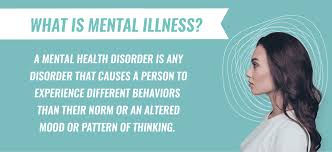
There are so many kinds of "mental illness," each with its own quirks and challenges. It's important to realize that these aren't just labels or excuses for behavior, but rather complex issues that can impact people in different ways. I think these diagnoses often help explain and make sense of people's actions, which can sometimes be misunderstood or oversimplified. My son often says, "Well, I'm 'insert bad thing here' because so and so told me I am." This really highlights how we tend to absorb what others think of us. We start believing that we're defined by what others say, and we feel stuck because someone labeled us in a certain way. It's important to push back against this mindset. I want you all to know how wrong that belief is. I was told I had Bipolar, and people treated me differently because of it. That's not okay!
YOU CAN CHANGE!!!
Changing your life starts with flipping your mindset to see yourself in a positive and empowering way. For tips on personal growth and self-acceptance, check out my blog, "Mindset." Negative thoughts can make you doubt yourself and hold you back.
Let's chat about major mental health disorders. Getting to know these can help us be more empathetic and supportive, cutting down on judgment. Being aware and educated can make the world a more understanding place.
Personality disorders are complex psychological conditions that affect how you see yourself, interact with others, and manage life. They show up as long-term behavior and thinking patterns that differ from cultural norms, causing stress and issues at work or socially. These disorders come from a mix of genetic, environmental, and psychological factors, not just chemical imbalances. While brain chemistry is part of it, life experiences, trauma, and perception also play a role. Therapies like CBT can change thought patterns and brain chemistry, showing how adaptable the brain is and its potential for recovery.
It's important to approach personality disorders with hope and understanding. With the right support and interventions, people can change their perceptions and behaviors, leading to healthier relationships and a fulfilling life. Understanding and managing these disorders is complex but offers a chance for growth and transformation.
***********************
Mental Health/Personality Disorders
***********************

Bipolar Disorder
Bipolar disorder is a pretty complicated mental health issue that involves big mood swings, going from super high energy (mania or hypomania) to feeling really low (depression). These ups and downs can mess with your energy, how active you are, your judgment, behavior, and decisions, often throwing a wrench in your daily life, relationships, and overall well-being. Getting a good grasp on bipolar disorder is key to building a supportive environment and figuring out ways to cope, while also helping to reduce stigma and encourage open conversations. It's important to get the right diagnosis and treatment because bipolar disorder is more than just mood swings.
Types of Bipolar Disorder
There are a few types of bipolar disorder, each with its own unique traits and symptoms that can differ a lot from person to person. The most well-known types are:
Bipolar I Disorder: This type includes manic episodes that go on for at least a week or need hospital care. During these times, you have tons of energy, barely need any sleep, feel super confident, and might act impulsively, which can lead to risky decisions and problems in relationships. On the flip side, depressive episodes last at least two weeks and bring feelings of sadness, hopelessness, and a lack of interest in things, making you want to pull away from others and struggle with daily tasks. Sometimes, you might experience episodes with a mix of mania and depression symptoms, which makes treatment trickier and means healthcare providers need to keep a close eye on things.
Bipolar II Disorder: This type includes at least one major depressive episode and one hypomanic episode, which is like a lighter version of mania where you feel happier and more active but not really out of control. Depressive episodes can be tough to handle, but hypomanic episodes might not mess with your life too much, so they can sometimes get misdiagnosed. This can mean you don't get the right treatment and the symptoms stick around longer, so it's super important to have mental health pros do a thorough check.
Cyclothymic Disorder: This type involves having ups and downs that last at least two years (one year for kids and teens), but they don't fully hit the level of a full hypomanic or depressive episode. Even though there are mood swings, they're not as intense as in Bipolar I or II. This constant mood instability can still mess with daily life and relationships, making things uncomfortable and slowing down personal growth.
Other Specified and Unspecified Bipolar and Related Disorders: These categories come into play when symptoms don't match the three main types but still show big changes in mood and behavior, maybe because of other health issues or substance use. Spotting these differences is key to tailoring treatment and making sure you get the best care possible.
Helping Those with Bipolar Disorder
Helping someone with bipolar disorder involves understanding, patience, and a proactive approach. Here are some ways to lend a hand:
Learn About It: Get to know what bipolar disorder is all about. This can help you empathize and have better conversations. By learning about symptoms, treatments, and challenges, you'll be a better supporter. Books, reliable websites, and support groups are great places to start.
Suggest Professional Help: Encourage them to see mental health pros like psychologists or psychiatrists. Treatment usually involves therapy, meds, or both, tailored to their needs. Professionals can offer tools to handle the disorder and deal with stressors and triggers.
Be There for Them: Offer emotional support by listening without judging. Validate their feelings and be there during tough times. Little things like checking in or doing activities together can really help. Remind them they're not alone and their feelings matter.
Help with Routine: Assist in setting up a daily routine for stability. Regular sleep, exercise, and healthy eating can stabilize moods. Encourage sticking to a routine to manage mood swings and set realistic goals for a balanced lifestyle.
Spot Warning Signs: Be on the lookout for mood swings or episodes and talk about handling them. Having a plan can make crises easier to manage. Regularly revisiting this plan ensures everyone is ready for any challenges.
Encourage Self-Care: Promote mental well-being through mindfulness, meditation, and hobbies. Self-care is key to managing symptoms and boosting quality of life. Help them find fun activities or relaxation techniques, and suggest joining support groups for a sense of community.
To wrap it up, bipolar disorder is pretty complicated and needs a good dose of understanding and compassion to handle it well. Knowing the different types and using helpful strategies can really make a difference for those dealing with it. With the right treatment, support, and understanding, people with bipolar disorder can manage their symptoms and live fulfilling lives. It can be tough, but with the right resources and support, they can find stability and succeed both personally and professionally.
Schizophrenia
Schizophrenia is a tricky and often misunderstood mental health issue that messes with how people think, feel, and act. It's a big deal because it changes how someone sees reality, causing them to experience psychosis. People with schizophrenia might have hallucinations, believe things that aren't true, have jumbled thoughts, or feel less motivated or emotional. These symptoms can come and go in different ways, making things tough for both the person dealing with it and their loved ones.
Types of Schizophrenia
Schizophrenia has usually been divided into different subtypes, each with its own unique features that help us get a better handle on the disorder's various expressions and complexities. These subtypes have been crucial for doctors and researchers in diagnosing and treating this complex mental health condition. By breaking schizophrenia down into subtypes, we've gotten a clearer picture of its symptoms, how it develops, and potential treatment options.
Paranoid Schizophrenia
Paranoid Schizophrenia is all about having intense delusions and hearing things, like voices. People dealing with this often feel super paranoid, thinking others are out to get them. This can make them pull away from social situations, feel more anxious, and sometimes act out aggressively to protect themselves. Unlike other types, their thinking skills are usually still pretty sharp, so they might sometimes realize what's going on with them.
Disorganized Schizophrenia
Disorganized Schizophrenia can really throw a wrench into daily life and social interactions. It often leads to mixed-up speech and random actions that make things chaotic. People might talk in a way that's hard to follow, making conversations tricky, and their behavior can swing from being goofy to agitated. Keeping up with personal hygiene and daily tasks can be tough, too. This kind of unpredictability makes it hard to form and keep relationships, which can lead to feeling isolated and can make symptoms worse.
Catatonic Schizophrenia
Catatonic Schizophrenia comes with some major movement issues. People might swing between being super restless and not moving at all, sometimes staying in strange positions for a long time. Even though they might seem out of it, they're actually aware of what's going on around them. They might also repeat what others say (echolalia) or copy their movements (echopraxia). These ups and downs in movement can make therapy and treatment tricky.
Residual Schizophrenia
Residual Schizophrenia happens when someone has gone through at least one episode of schizophrenia but now deals with milder symptoms. They might still show less emotion and pull back from social interactions, even if they're not having major psychotic episodes anymore. This shows that schizophrenia is a long-term condition that needs continuous support and treatment to keep symptoms in check and maintain a good quality of life. The lasting effects can make social and work life tough.
Undifferentiated Schizophrenia
Undifferentiated Schizophrenia is tough to pin down and treat because it comes with a mix of symptoms that don't really fit into other categories. People might show a combination of delusions, hallucinations, jumbled speech, and negative symptoms, but none of these are strong enough to label it as a specific type. This makes treatment tricky since doctors have to tackle all the mixed and overlapping symptoms. Not having a clear category can be frustrating for patients and their families, making it harder to understand and support them.
A Shift in Understanding
These days, diagnosing schizophrenia focuses more on how severe and specific the symptoms are, highlighting that it's a spectrum. Moving away from strict categories helps us get a clearer picture of how the disorder shows up in different ways, which means we can tailor treatment plans to each person. This way of looking at things recognizes just how complex schizophrenia is and stresses the need to think about all the symptoms and how they affect someone's life. As we learn more, there's hope for better treatments for people dealing with this tough condition.
Supporting Those with Schizophrenia
Dealing with schizophrenia involves a mix of medical care, therapy, and support from the community. Getting the right diagnosis and treatment plan is crucial, usually with antipsychotic meds and therapy like cognitive-behavioral therapy (CBT). CBT helps change negative thinking patterns, while supportive therapy gives encouragement to both patients and their families.
Having social support is super important for getting better. Family and friends can make a big difference by creating a supportive environment that helps reduce feelings of being alone. Programs that educate families about the disorder help improve communication and support by teaching them about symptoms and the importance of sticking to treatment plans.
Community resources, like support groups and job training services, are also key. Support groups provide a safe place to share experiences, and vocational programs help with job skills and finding work, boosting independence and confidence.
Taking a well-rounded approach that combines medical treatment, psychological support, and community resources is essential for helping people with schizophrenia live fulfilling lives. Building a caring and supportive environment helps reduce stigma and promotes open conversations about mental health, ultimately making life better for those affected.
Depression
What is Depression?
Depression is a tricky mental health issue that comes with a long-lasting emotional struggle filled with sadness, hopelessness, and a lack of interest in things you usually enjoy. It messes with your emotional and physical health, affecting how you eat, sleep, and even your energy levels.
People experience depression in different ways, with various forms and symptoms. Major depressive disorder has intense symptoms that can disrupt your everyday life, while persistent depressive disorder (dysthymia) is less severe but sticks around longer. Bipolar disorder includes both depressive episodes and phases of mania or hypomania. It's important to understand these differences because depression hits everyone differently, often making it tough for people to reach out for help.
Depression is complicated because it's tied to genetics, biology, your environment, and psychological factors. It might run in families or be triggered by life changes, trauma, or stress, which can leave you feeling confused and helpless. Understanding depression is crucial for those going through it and their support circles, helping to build empathy and awareness.
How can we help those with it?
Helping someone with depression means being kind, knowledgeable, and ready to lend a hand. Just listening and offering a space without judgment can really help them feel less alone and validate what they're going through. Encourage them to see a psychologist or therapist for tailored advice and possible medication. Learning more about depression will help you support them with empathy and patience.
Doing things together, like going for a walk or having a meal, can lift their spirits, but make sure to consider their energy levels. Suggest self-care habits like eating well, staying active, and getting enough sleep, along with relaxation techniques like mindfulness or yoga to help manage symptoms.
Remember, recovery takes time and patience. Celebrate small wins to build strength and hope. By offering emotional support, professional advice, and practical help, you can create a space that encourages healing and recovery.
Anxiety
Anxiety isn't just about feeling nervous now and then; it's more like constant worry and fear that can really mess with your day-to-day life. You might feel your heart race, start sweating, shake a bit, or just feel super tired, and these symptoms can make it tough to get through your usual activities or hang out with friends. To really get what's going on with anxiety, you need to look into the different types and what causes it, like genetics, your environment, and psychological factors that might make you more likely to deal with anxiety disorders.
Types of Anxiety Disorders
There are several recognized types of anxiety disorders, each with its own unique features and symptoms. These include:
Generalized Anxiety Disorder (GAD): Generalized Anxiety Disorder (GAD) is all about constant, uncontrollable worrying about different parts of life like work, health, family, and social stuff. People with GAD often struggle to keep their anxiety in check, which can lead to stress, trouble concentrating, sleep problems, and messing up their daily routine. They might also deal with physical stuff like headaches, muscle tension, and stomach issues, which just makes things even more uncomfortable.
Social Anxiety Disorder (SAD): Folks with SAD get really anxious about social situations because they're worried about being judged or embarrassed. This makes it tough for them to hang out, make friends, or do things like go to parties or speak in public. Just thinking about social events can stress them out big time, so they often end up avoiding them, which leads to feeling more isolated.
Panic Disorder: This condition is all about having panic attacks that come out of nowhere. These are sudden bursts of intense fear that make your heart race, leave you short of breath, make you dizzy, or give you that feeling that something terrible is about to happen, even when there's no real danger. Because of this, you might end up constantly worrying about when the next attack will hit, and it can even lead to agoraphobia, where you're scared of being in places where getting out or getting help might be tough.
Specific Phobias: These are irrational fears of things or situations like heights, spiders, or flying. The fear usually goes way beyond the actual danger, causing people to steer clear of whatever scares them. This avoidance can mess with daily life and limit what they do.
Helping Those with Anxiety Disorders
Helping people who deal with anxiety is super important for their recovery and overall happiness. There are a bunch of ways to help them handle their symptoms better and make their lives better:
Encouragement of Professional Help: If you're looking to manage anxiety effectively, it's a good idea to reach out to mental health pros who know their stuff about anxiety disorders. Treatments like Cognitive Behavioral Therapy (CBT) and meds, like antidepressants or anti-anxiety drugs, can really help. Getting professional advice can help you get a grip on your condition and come up with coping strategies that work for you.
Creating a Supportive Environment: Having friends and family who support you is super important when you're healing. They listen, offer comfort, and recognize your feelings, which helps you feel connected and ready to face your challenges.
Promoting Healthy Lifestyle Choices: Getting into a routine of regular exercise, eating a balanced diet full of nutrients, and getting good sleep can really boost your mental health and help lower anxiety. Doing activities like yoga, meditation, and mindfulness can also help you manage your emotions and stress better.
Teaching Coping Strategies: Helping people pick up handy coping skills like mindfulness, meditation, and deep-breathing can really boost their ability to handle anxiety when things get tough. Offering resources and tools for self-care, like journaling or diving into hobbies, can also help them relax and feel accomplished.
Encouragement of Open Communication: Talking openly about feelings and fears helps people feel supported and understood. It can also lessen the stigma around anxiety disorders, making it easier for those affected to get help without worrying about being judged. By creating a safe space to share experiences, we can promote healing and connection.
Anxiety is a tricky thing that a lot of people deal with. It can really stress you out and mess with your everyday life. Getting a handle on anxiety disorders and being there for each other can make a big difference, helping people live better lives. It's super important to spread the word and create a supportive space to help beat anxiety and encourage recovery.
Eating disorders
Eating disorders are tricky mental health issues where people develop unhealthy eating habits that can really mess with their physical health, emotions, and overall life quality. These disorders come from a mix of genetic, environmental, psychological, and cultural factors, which makes them tough to figure out and treat. Anyone can be affected, no matter their age, gender, or background. They often involve an intense focus on food, weight, and body shape, leading to major health issues, emotional struggles, and feeling cut off from others.
The stigma around eating disorders can make people feel even more ashamed and secretive, stopping them from reaching out for help. Many feel stuck in a loop of negative thoughts and actions that's hard to escape without the right support and intervention. Getting a handle on what causes and drives these disorders is key to effective treatment and recovery.
Types of Eating Disorders
There are a bunch of different eating disorders, each with its own traits, symptoms, and possible health issues. The most common ones are:
Anorexia Nervosa: This disorder is all about being super scared of putting on weight, so people end up eating way too little. Even when they're actually underweight, they might still think they're too heavy. This can lead to really bad nutrition and health problems like heart issues, weaker bones, and even organs not working right. Plus, it takes a toll on mental health, often causing anxiety, depression, and making people want to stay away from others.
Bulimia Nervosa: People with bulimia go through phases where they eat a lot really quickly and then try to make up for it by throwing up, working out too much, or not eating at all. This cycle can seriously mess with your health, causing issues like messed-up electrolytes, stomach troubles, and damage to your teeth from stomach acid. It also takes a big toll emotionally, leading to feelings of guilt and shame, which can keep the binge-purge cycle going.
Binge Eating Disorder: This disorder is all about having regular binge eating episodes without the kind of behaviors you see in bulimia to make up for it. People might find themselves eating a lot really fast and feeling like they can't stop, which can lead to gaining weight and health issues like diabetes, heart problems, and joint pain. On the mental side, it can cause a lot of stress and embarrassment, making it tough to have a healthy relationship with food and body image.
Other Specified Feeding or Eating Disorders (OSFED): This group covers eating disorders that don't quite match the usual categories but still lead to a lot of stress or everyday problems. Some examples are atypical anorexia (having anorexia symptoms without being underweight), purging disorder (purging without binge eating), and night eating syndrome (often eating at night). These issues really impact health and need the right treatment.
How Can We Help Those with Eating Disorders?
Helping people with eating disorders means being kind, knowledgeable, and using different methods. Here are some ways we can lend a hand:
Encourage Professional Help: If you're dealing with an eating disorder, it's super important to reach out to healthcare pros like doctors, therapists, and nutritionists who know their stuff about this. Getting help early can really make a difference. Treatment usually involves therapy, advice on eating right, and keeping an eye on your health to tackle both the mental and physical sides of things.
Provide Emotional Support: Listening and really getting what someone’s going through can make a big difference in their recovery. When you create a chill, judgment-free zone, it makes it easier for them to open up about what they’re feeling and going through. By actively listening and showing you understand, you help them feel less alone in their struggles.
Educate Yourself and Others: Getting a handle on eating disorders helps break down stigma and boosts empathy. It helps friends and family support and spot warning signs. A well-informed community creates a supportive and understanding vibe.
Promote Healthy Body Image: Boosting positive body image and embracing self-acceptance are key to bouncing back. It's all about challenging those beauty norms and putting health before looks. By celebrating all body shapes and promoting self-love, we can build a healthier attitude towards food and how we see ourselves.
Be Patient: Getting over an eating disorder isn't easy and takes a lot of time. It's super important to have patience and a good support system, and to understand that there might be some bumps along the way and progress can be slow. Celebrating the little wins and milestones can really help keep the motivation up and provide support during the recovery journey.
To sum it up, eating disorders need a lot of understanding, empathy, and support. By getting informed about these disorders and backing recovery efforts, we can really make a difference for those dealing with them, helping them live healthier lives. When we create a welcoming and supportive space, it encourages people to reach out for help and start their recovery journey.
Post Traumatic Stress Disorder (PTSD)
What is PTSD?
PTSD, or Post-Traumatic Stress Disorder, is a tough mental health issue that can pop up after someone goes through or sees something really traumatic. It doesn't discriminate—it can hit anyone, no matter their age, gender, or background. The symptoms can really mess with your everyday life, bringing on things like intense flashbacks, nightmares, anxiety, and intrusive thoughts. These can make it hard to maintain relationships, keep up with work, and stay emotionally stable. Plus, PTSD can sometimes lead to other problems like depression or substance abuse.
It's not just the person with PTSD who feels the impact; their family and friends do too. It can be hard for them to get what their loved one is going through, which can cause emotional stress and make everyone feel more isolated. People with PTSD might pull away from social situations because they feel embarrassed or uncomfortable, which can put a strain on relationships and leave loved ones feeling stuck. The stigma around mental health doesn't help either, making folks feel even more alone. That's why it's so important to build understanding and support. Families and friends should learn about PTSD to better support their loved ones and help them heal through open conversations.
What types are there?
PTSD comes in different types, depending on what kind of trauma someone went through and the symptoms they show. The main types are:
Acute PTSD: This type shows up within three months after a stressful event and comes with intense stuff like flashbacks, nightmares, and major anxiety. Some people might slowly get better, but others could keep having issues that mess with their daily life. Jumping in early can stop these symptoms from turning into long-term problems.
Chronic PTSD: Chronic PTSD is when the symptoms stick around for more than three months and really mess with your day-to-day life. This constant stress can make it tough to handle your emotions, keep a job, and maintain relationships.
Delayed-Onset PTSD: PTSD symptoms might not show up until months or even years after the trauma, making it tricky to diagnose and treat. This delay can make it hard for people to link their symptoms back to the trauma, which can slow down getting the right help and drag out recovery.
Complex PTSD: Complex PTSD happens when someone experiences repeated personal trauma, like ongoing abuse or being held captive. It comes with extra challenges that make healing harder, such as difficulty managing emotions, feeling disconnected from yourself, and having trouble building healthy relationships. This can really affect you, often leading to feelings of worthlessness and mistrust of others, creating a cycle of negative thoughts and emotional highs and lows. That's why it's crucial to have treatment specifically designed to address these unique issues.
How can we help those with PTSD?
Helping people dealing with PTSD requires kindness, understanding, and patience. Here are some great ways to support those going through it:
Educate Yourself: Getting a handle on PTSD and what it looks like is super important. Knowing more about it means you can better support and understand those dealing with PTSD. Dive into books, articles, or hit up some workshops to really get what they're going through.
Listen and Validate: Setting up a relaxed, judgment-free space to share experiences can be really healing. When you actively listen and validate someone's feelings, it boosts their self-worth and strengthens your connection. This encourages people to open up about their trauma, leading to healing conversations.
Encourage Professional Help: It's super important to suggest that people talk to mental health pros who know about trauma and PTSD. Therapy options like cognitive-behavioral therapy (CBT), eye movement desensitization and reprocessing (EMDR), and meds can really help with recovery and managing symptoms. Having a treatment plan that's just right for you can make a big difference in getting better and taking back control of your life.
Promote Healthy Coping Strategies: Try out some healthy coping habits like mindfulness, exercise, and creative activities to help with symptoms and boost your emotional well-being. These practices can really help you feel more in control of your recovery, build resilience, and give you a sense of empowerment.
Be Patient: Getting over PTSD isn't a straight path; it's full of ups and downs. It's important to be patient and understanding because healing takes time and is different for everyone. Having steady support and encouragement can really help someone feel safe as they work on getting better.
Create a Supportive Environment: Make a chill zone by cutting out stress and steering clear of topics that bring up bad memories. Set up a comfy, safe spot to make things more relaxing. Be there to reassure and support, helping them feel secure and stable. Encourage open talks about what they need and what makes them comfortable to create a supportive vibe, helping them on their healing journey.
Using these strategies, we can help people with PTSD take back control and start healing. Being understanding, compassionate, and supportive really makes a difference. In the end, building a community focused on mental health awareness and support helps everyone feel included, encouraging them to share their experiences and ask for help without worrying about being judged.
Obsessive Compulsive Disorder (OCD)
What is OCD?
Obsessive-Compulsive Disorder (OCD) is a mental health issue where people deal with constant, unwanted thoughts (obsessions) and feel the need to do certain actions over and over (compulsions). Folks with OCD get hit with intrusive thoughts that make them anxious, so they do specific things to try to ease that anxiety. It's a cycle of trying to ignore the thoughts but feeling like they have to act on them.
Obsessions can be all sorts of things, like being scared of germs, worrying about harm, or needing everything to be super organized. These stressful thoughts lead to compulsions, such as washing hands too much, counting, checking things, organizing, or saying phrases repeatedly. These actions turn into rituals that people believe will stop bad things from happening, giving them a quick break from anxiety but keeping the cycle going.
OCD can really mess with everyday life, impacting relationships, work, and overall happiness. Social life takes a hit because compulsions eat up time and energy. Many people with OCD feel embarrassed or worry about being judged, which makes it tough to ask for help. This stigma often keeps them quiet, and if OCD goes untreated, it can lead to other mental health problems like anxiety, depression, or substance abuse.
How can we help those with OCD?
Provide Support: Helping folks with OCD means getting where they're coming from, showing some empathy, and using practical tips that fit their experiences. It's super important to learn about OCD ourselves and share that knowledge to bust myths and cut down on the stigma. A lot of people don't really get OCD, which means those who need help might not get it. By spreading the right info, we can build a community that sees OCD as a real mental health issue that needs attention and support. We can do this through workshops, seminars, and resources that dive into what OCD is all about and how it affects everyday life.
Encouraging Open Conversations: Discussing mental health is crucial for support. When individuals can share experiences without judgment, they're more inclined to seek help. Support groups, both in-person and online, allow those with OCD to connect, exchange coping strategies, and foster community and acceptance, which is healing. Additionally, mental health discussions in schools, workplaces, and community centers normalize these conversations, facilitating access to necessary help.
Fostering Understanding: Getting professional help is super important for dealing with OCD. Cognitive Behavioral Therapy (CBT), especially a type called Exposure and Response Prevention (ERP), works well for treating OCD. ERP is all about safely facing your fears and holding back from doing those compulsions, which helps you handle symptoms and take charge. It's really important to find a therapist who knows their stuff about OCD for the best results.
Medication: Taking meds like SSRIs can really help people with OCD. It's super important to chat with a healthcare provider to figure out the best treatment plan. Mixing therapy with meds usually works best since it tackles both the mental and physical sides. Keeping in touch with your healthcare team lets you track your progress and tweak the plan to get the best care.
Emotional Support: Helping someone with OCD can be really fulfilling. Just listen to them without judging, let them know their feelings are valid, and encourage them to take care of themselves. Remind them to handle their symptoms one step at a time and celebrate the little wins to boost their confidence and motivation. Regularly checking in and offering distractions when things get tough can really help them feel supported and connected.
Creating a Supportive Environment:
Whether you're at home, school, or work, helping someone with OCD means being patient, figuring out what sets them off, and helping them find ways to cope. Family and friends can make a big difference by learning about OCD and how it affects people. By creating a kind and understanding space and encouraging open talks, you can clear up any misunderstandings and build a supportive atmosphere that helps those with OCD handle their challenges better.
In short, handling OCD can be challenging, but with the right approach, it's manageable. By learning more about it, talking openly, ensuring access to professional help, and providing emotional and practical support, we can create a supportive environment that helps those with OCD live fulfilling lives. Together, we can work towards a world that not only gets what people with OCD experience but also actively supports their journey to recovery and well-being.
***********************

***********************
Antisocial Personality Disorder
What is Antisocial Personality Disorder (ASPD)?
Antisocial Personality Disorder (ASPD) is a tricky mental health issue where someone consistently doesn't care about other people's rights. It shows up as ongoing behaviors like lying, being impulsive, aggressive, and not feeling guilty, which can mess up relationships, jobs, and following rules. These behaviors usually start in the teen years or early adulthood and can lead to things like crime, substance abuse, or rocky relationships, causing legal trouble, job problems, and family stress. ASPD can push away friends, family, and coworkers.
Getting a handle on ASPD needs looking at it from different angles because it's tied to a bunch of complicating factors. Genetics play a big role, especially if there's a family history of personality disorders. Growing up around violence, trauma, or neglect also ups the risk. These experiences shape how someone sees the world and deals with things, leading to unhealthy behaviors. Plus, the stigma around ASPD can make people feel isolated and misunderstood, making it harder for them to get help and complicating how society views and supports them.
How to Help with ASPD?
Dealing with Antisocial Personality Disorder (ASPD) needs a well-rounded approach that includes therapy, support, and sometimes meds. Cognitive-behavioral therapy (CBT) helps in spotting and changing negative thoughts and actions, while group therapy offers a supportive space to share experiences and pick up coping skills. Being part of a community can cut down on feeling isolated and help build empathy and emotional control, which are key for handling ASPD.
Having a solid support network is super important for people with ASPD. Family and friends can help by keeping communication open, setting boundaries, and encouraging them to stick with treatment. Understanding the disorder helps loved ones support without encouraging bad behaviors. Community resources like support groups and workshops provide extra insights and coping tips, boosting accountability and positive change.
Even though ASPD can be tough, empathy and understanding are crucial. With the right help and support, people with ASPD can work on improving their relationships and behaviors. This journey needs patience and persistence from both the person and their support crew. By creating a compassionate environment and offering effective treatments, those with ASPD can enjoy a better quality of life and healthier social interactions, breaking the cycle of harmful behaviors and moving towards a brighter future.
Borderline Personality Disorder
What is Borderline Personality Disorder?
Borderline Personality Disorder (BPD) is a tricky mental health condition that can be tough for both those who have it and their loved ones. It involves ups and downs in relationships, self-esteem, and handling emotions. People with BPD often feel intense emotions that change quickly, which can lead to impulsive actions like overspending, using substances, or self-harming. These behaviors make it hard to maintain stable relationships and can be pretty stressful.
Some common signs include always feeling empty, struggling with identity, and being terrified of being left alone, which can lead to clinging to people or pushing them away. This can make relationships confusing. Intense anger and over-the-top reactions add more strain, leading to fights and feeling isolated.
During emotional stress, self-harm or thoughts of suicide might pop up as ways to cope. BPD usually starts in early adulthood, but signs can show up in the teenage years. It's linked to a mix of genetic, environmental, and social factors, like trauma or unstable family situations. BPD can seriously affect personal life, work, and overall happiness. The stigma around personality disorders can make people feel even more isolated. It's crucial to approach BPD with kindness and understanding, recognizing the challenges faced by those with the disorder and their families.
How can we help those with it?
Helping out someone with Borderline Personality Disorder (BPD) is all about being kind, understanding, and making sure they feel safe and appreciated. It's super important to listen to them and let them know their feelings are valid, even if you don’t completely get what they’re going through. Just acknowledging their emotions can really help them feel accepted and connected. Suggesting they get professional help, like Dialectical Behavior Therapy (DBT), is key. DBT is great for building coping skills, managing emotions, and improving relationships, which can really boost their quality of life.
Friends and family are crucial in the recovery process. By learning about BPD, they can offer better support while also setting healthy boundaries to take care of their own mental health. Keeping communication open and judgment-free helps strengthen relationships and build trust. Support groups are awesome too, as they provide a sense of community and help reduce feelings of being alone through shared experiences. Encouraging self-care activities like mindfulness, exercise, and creative hobbies can help manage symptoms and improve overall well-being.
Combining professional treatment, personal support, and self-care creates a solid support system for those with BPD. This approach addresses immediate challenges and helps build long-term resilience. Providing the right tools and support helps them handle emotions and live fulfilling lives. A little understanding, compassion, and patience can make a big difference for those dealing with BPD.
Histrionic Personality Disorder
What is Histrionic Personality Disorder?
Histrionic Personality Disorder (HPD) is a pretty complex mental health condition where people tend to be super emotional and always crave attention. It's part of the cluster B personality disorders, which means it comes with dramatic, emotional, or unpredictable behavior. Folks with HPD often try to be the center of attention by using flashy speech, showing exaggerated emotions, or doing provocative things.
Characteristics of Histrionic Personality Disorder: These folks often go for attention by doing things like telling over-the-top stories, making big facial expressions, or pulling off stunts. They might rock flashy outfits or bold hairstyles to really stand out in a crowd. This dramatic style is a key part of who they are and how they interact with others.
Behavioral Patterns and Self-Image: Folks with HPD often try to get approval and admiration by changing their personalities, which can mess with how they see themselves and make them rely on others for validation. This might come off as a bit shallow or fake since they care more about being liked than building real emotional connections.
Interpersonal Relationships and Suggestibility: People with HPD often find themselves swayed by what others think, which makes it tough for them to express what they really want. This can result in relationships that are more on the surface, giving them a quick boost but not really meeting their deeper emotional needs, leaving them feeling empty and unsatisfied.
Origins and Development of HPD: Histrionic Personality Disorder (HPD) often starts in early childhood when kids realize that being dramatic gets them attention and praise. These experiences make them believe that being theatrical is the way to get noticed and feel validated. As they grow up, this becomes a big part of who they are and influences many areas of their life.
Impact on Personal and Professional Relationships: HPD can really mess with your personal and work relationships, leading to stress and unhappiness. It might cause your relationships to be rocky because of what seems like over-the-top behavior. At work, always needing attention can get in the way of teamwork and moving up the career ladder, since coworkers might see you as self-centered, which can affect how well you all work together and how much respect you get.
Conclusion: Histrionic Personality Disorder can really shake things up with your emotions, relationships, and sense of self, making life pretty challenging. Usually, dealing with it means diving into some serious therapy to learn how to handle things better and build deeper emotional bonds.
How can we help those with it?
Helping someone with Histrionic Personality Disorder is all about being kind and understanding. It's important to gently encourage them to get help from mental health pros, because therapies like cognitive-behavioral therapy (CBT) can really help them spot and change those attention-seeking thoughts and behaviors. Family and friends are super important too, as they can offer a judgment-free zone for open chats, which helps with self-awareness and managing emotions.
Learning about HPD and spreading the word can really cut down on stigma, making it easier for them to stick with treatment. When you understand the disorder, you can be more supportive and set healthy boundaries—this is key because folks with HPD might push limits in relationships. Having clear boundaries keeps things balanced and reduces drama.
By giving steady support while nudging them toward taking responsibility, we can help those with HPD live more satisfying lives. Mixing professional help, personal support, and some good old education can really boost their emotional well-being and relationships, making life better overall.
Narcissistic Personality Disorder
What is Narcissistic Personality Disorder?
Narcissistic Personality Disorder (NPD) is a tricky condition where someone thinks they're super important, always craves praise, and doesn't really get how others feel. People with NPD often think they're uniquely talented, blow their achievements out of proportion, and expect too much, which leaves them frustrated a lot of the time.
They really depend on others to feel good about themselves, and if they don't get enough admiration, they can get moody and irritable. This constant need for validation makes their emotions all over the place because their self-esteem is shaky and relies on what others think.
Folks with NPD tend to look for situations that boost their ego, often dreaming about being super successful and powerful, which can skew their view of reality and mess up their relationships. They're all about keeping up this perfect image, so they end up with shallow connections, focusing more on showing off than building real relationships, which can leave them feeling lonely.
They often use relationships for their own benefit, sometimes manipulating others without caring about their feelings. This lack of empathy makes both personal and work relationships tricky, leading to conflicts and more isolation. Their self-focus creates a cycle of broken relationships and growing loneliness.
NPD also affects their job and social standing. While their drive can help them climb the career ladder, their behavior can strain work relationships, making teamwork and growth tough. Being socially isolated cuts down their support system, making them feel even more disconnected.
Getting a handle on NPD means understanding its emotional and psychological layers. Therapy can help dig into the behaviors and find ways to cope. Even though it's tough, with some help, people can become more self-aware, develop empathy, and build healthier relationships, leading to a more balanced life.
How can we address those with it?
Helping someone with NPD can be tough, but it's really important. Getting them to see a professional is the first step. Therapy, like cognitive-behavioral therapy (CBT), can help them understand and change harmful thoughts and behaviors, leading to personal growth and awareness of how they affect others. Patience is key because they might not want to admit their behavior at first.
Support from family and friends is super important. Setting clear boundaries helps create structure, while understanding and compassion help with stability and growth. Open communication is crucial, as it helps address negative behaviors and recognize strengths, which can improve relationships and cut down on conflicts.
Learning about Narcissistic Personality Disorder is beneficial for both the individual and their loved ones. Understanding NPD can ease frustration and improve coping strategies. Workshops, support groups, and reading can provide insights and empathy, helping loved ones deal with challenges more effectively and kindly.
Even though NPD can be challenging, with the right support, healthier relationships and self-perception are possible. Making progress requires empathy, understanding, and connection, creating a supportive space for self-reflection and healing. By working together, people can overcome challenges and build a more fulfilling life.
Avoidant Personality Disorder
What is Avoidant Personality Disorder?
Avoidant Personality Disorder (AVPD) is often misunderstood and can really mess with how people interact socially. It's all about being super shy, feeling not good enough, and being really sensitive to what others think, which makes social situations anxiety-inducing and leads to dodging interactions. People with AVPD are scared of getting rejected and might see themselves as socially awkward, so they crave acceptance but are held back by self-doubt. This fear can make it hard to build relationships and affect work life, as they might avoid team projects, keep their ideas to themselves, and steer clear of promotions because they're scared of criticism.
AVPD comes from a mix of genetic, environmental, and psychological factors. Things like childhood trauma, bullying, or harsh criticism early on can play a big role in developing AVPD, leading to feelings of unworthiness. This makes dealing with social situations tough, causing stress, loneliness, and isolation, which just makes things worse.
How can we help those with it?
Helping someone with Avoidant Personality Disorder (AVPD) is all about being kind and understanding. You want to make sure they feel safe and not judged, so they can open up about their feelings without worrying about criticism. Having support from friends, family, and mental health pros is super important. Cognitive-behavioral therapy (CBT) works really well because it helps people spot and challenge negative thoughts, handle anxiety, and boost their self-esteem through doable goals, practicing social skills, and role-playing.
Support groups are a great place to share experiences and coping tips, creating a sense of community and cutting down on feelings of being alone. Exposure therapy, which is about slowly getting used to social situations, can also help build confidence and social skills.
AVPD is a serious mental health issue that needs understanding and support. By creating a supportive vibe, encouraging professional help, and helping make social connections, we can help people with AVPD tackle challenges and live fulfilling lives. Recovery takes time, and every step towards being more socially engaged is a big win.
Dependent Personality Disorder
What is Dependent Personality Disorder?
Dependent Personality Disorder (DPD) is when someone really needs care and support, making them act submissive and clingy. People with DPD lean a lot on others for emotional and practical help because they're really scared of being left alone and think they can't handle things on their own. This can get in the way of their personal growth and figuring out who they are.
Manifestations of DPD
Folks with DPD often hit roadblocks in their relationships, jobs, and self-confidence. They have a tough time making decisions without getting advice and reassurance from others, which can make them dependent and less able to be independent and confident. Even simple choices, like picking out clothes or deciding what to eat, can be tricky without someone else's input.
These people usually feel uncomfortable or helpless when they're on their own, which can cause anxiety. To dodge feelings of loneliness or being left behind, they might jump into new relationships quickly. This pattern of relying on others continues, and they often struggle to start projects or leave bad relationships because they're scared of being alone.
How Can We Help Those with This Disorder?
Helping someone with Dependent Personality Disorder means being kind, patient, and understanding. Try to boost their independence by nudging them to make little choices, which can slowly help them feel more confident. Giving them positive feedback is super important; cheer on their efforts to help them feel accomplished and encourage self-reliance.
The Role of Therapy
Getting therapy is super important when dealing with Dependent Personality Disorder. Cognitive-behavioral therapy (CBT) works really well because it tackles those negative thoughts that make you feel inadequate and overly dependent. With CBT, you learn to spot and question these beliefs, which boosts your coping skills and self-esteem. It also helps you dig into the fears behind your dependency, so you can build healthier relationships.
Group therapy is another great option. It offers a supportive space where people with DPD can share their stories and learn from others going through similar stuff. Being part of a group like this helps you feel less alone and more connected, which is super important when you're trying to overcome dependency issues.
Importance of Education and Communication
Getting a handle on DPD is super important for those dealing with it and their friends and family. It helps everyone get along better and makes managing relationships easier. By learning about DPD, families can support their loved ones in ways that boost independence instead of dependency.
Having open chats about feelings and boundaries is key too. This lets people with DPD share what they need without falling into unhealthy dependency. Clear communication helps build balanced relationships where everyone feels safe and supported while working towards independence.
Conclusion
In a nutshell, Dependent Personality Disorder is pretty challenging and requires a comprehensive approach for effective help and treatment. By promoting independence, using therapy, and raising awareness, we can support people with DPD to lead more fulfilling and self-reliant lives. With empathy, patience, and a focus on empowering individuals, we can assist them in moving away from dependency and towards a healthier, more independent life.
THE BIG TAKE AWAY!!!!
You Can’t Use Your Mental Illness as and Excuse to be Hateful
It's important to remember that having a mental health disorder doesn't give a free pass for treating others poorly. Conditions like depression, anxiety, bipolar disorder, and schizophrenia can make life tough, affecting how you feel, think, and act. While these issues can cause stress and lead to negative interactions, they don't excuse being mean or aggressive. The stigma around mental health often makes things worse, leading to misunderstandings and discrimination, which can add to feelings of shame and isolation.
We need to separate mental health struggles from taking responsibility for our actions. People can realize when their behavior is affecting others and take steps to make things right. Owning up to our actions is key for personal growth and healing, helping us build healthier relationships. Getting support through therapy, medication, or community resources can help manage mental health issues without resorting to harmful behaviors. It's crucial to understand the complexities of mental health, but it's just as important to keep a clear line between struggles and responsibility for how we interact with others, promoting compassion, empathy, and accountability in our communities.
The Importance of Empathy and Understanding
It's super important to point out that having a mental health disorder doesn't give anyone the right to treat you badly or discriminate against you. A lot of old-school thinking leads to misunderstandings and unfair treatment, like verbal abuse, being left out socially, or facing systemic discrimination. This can make it harder to access services, get jobs, or find support, which only adds to feelings of isolation and makes mental health worse. We need to tackle these outdated views by spreading education and awareness to build empathy and understanding.
Teaching people about mental health disorders can bust myths and cut down on stigma. Community programs, workshops, and open discussions are great ways to change how people see things and build support. Those dealing with mental health issues face big challenges, often made worse by how society views them, affecting their relationships, job opportunities, and healthcare access. It's crucial to show compassion and support to recognize the tough journey they're on.
It's also important to shine a light on the strengths and resilience of people with mental health disorders. Many show incredible bravery and make meaningful contributions to society. Celebrating their achievements and acknowledging their struggles helps create an inclusive story that promotes acceptance and kindness. By working together to break down stigma and boost understanding, we can build a supportive world that values everyone, helping those affected on their path to healing and recovery.


Comments